How to Get SEO Clients: A Step-by-Step Guide for Local Agencies
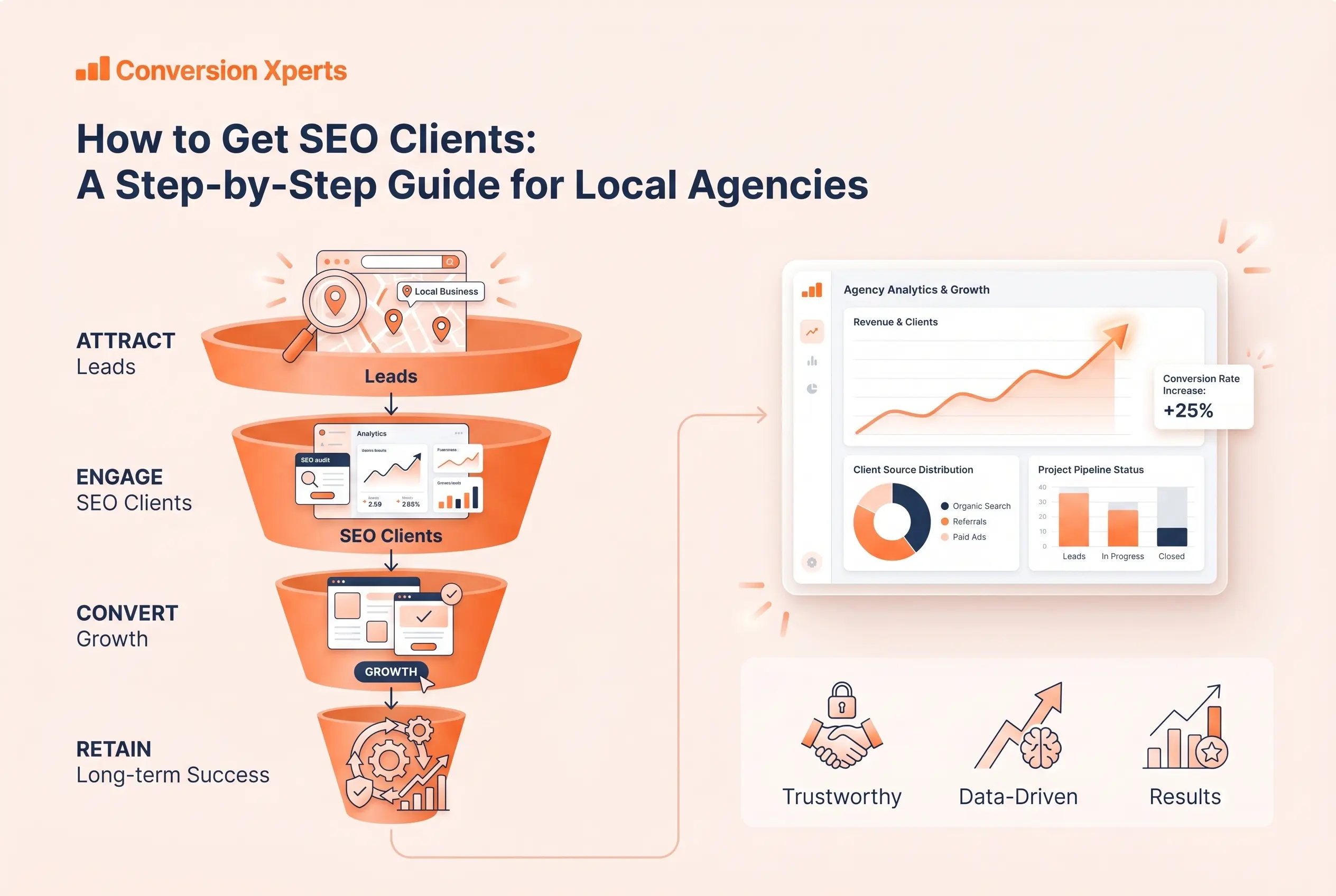
If you’re wondering how to get SEO clients in a crowded market, here’s an encouraging fact: 97% of consumers turn to search when looking for a local business. That is to say, the demand is massive, with over 46% of all Google searches specifically targeting local businesses.
The challenge? Standing out as the agency that local businesses choose. Getting SEO clients requires more than just knowing SEO. You need a systematic approach to finding seo leads, positioning your services, and converting prospects into long-term partners.
In this guide, we’ll walk you through exactly how to find seo clients, from preparing your agency and identifying high-potential prospects to mastering both outbound and inbound strategies for how to get local seo clients consistently.
Preparing Your Agency for Client Acquisition
Before you start getting SEO clients, your agency needs a foundation that demonstrates credibility and value. Prospects won’t trust you with their business if your own house isn’t in order.
Define Your Local SEO Service Offering
Your service package should address the core factors that drive local search visibility. Start with Google Business Profile optimization, which acts as a dynamic snapshot showing hours, contact information, photos, services, and reviews directly in search results. Include citation building to ensure your client’s Name, Address, and Phone number (NAP) appears consistently across hundreds of online directories. This consistency helps search engines verify location and legitimacy.
Local link building should target other local websites, demonstrating community connection through partnerships with local news sites, business associations, and event sponsorships. Add location-specific page creation for clients serving multiple areas, with unique content, testimonials, and photos for each service location. Note that reviews are a massive ranking factor, so review management strategies belong in every package.
Perfect Your Own Rankings First
Potential clients will question your expertise if you can’t rank your own site. While you don’t need to dominate national queries against industry giants, you should rank well for local SEO-related terms in your geographic area. An agency ranking first locally can use that position to explain authoritative websites, links, content, and marketing investment to prospects.
Similarly, your own site becomes your testing ground. Use it to experiment with strategies before deploying them for clients. The most powerful proof comes from showing previous client work, but your own rankings establish baseline credibility. Include real-time search demonstrations on your website to showcase results you’ve achieved.
Build Trust Assets: Case Studies and Reviews
Case studies are the most persuasive sales tool in local SEO. A prospect who sees documented results from a business like theirs engages more readily than one hearing promises alone. Structure each case study with situation, challenge, approach, results, and impact. Include client overview with industry and location, baseline metrics like Map Pack position and monthly leads, your strategy with timeline progression across months 1-3, 4-6, and 7-12, and quantified improvements with before/after comparisons.
For metrics, show rankings (Map Pack position for primary keywords), traffic (monthly organic visits, GBP-driven clicks), leads (phone calls, form submissions, direction requests), and revenue (attributed revenue with ROI calculations). Get written permission before publishing, or use anonymized versions with industry descriptors instead of business names.
Create Lead Magnets and Free Tools
Lead magnets attract prospects by offering value in exchange for contact information. They solve specific pain points where your ideal client loses sleep, deliver quick tangible value, and pre-sell your expertise.
Effective options include audit tools like GBP Audit Tools that let businesses self-assess their Google Business Profile, and Local SEO Audit Templates tailored to specific industries like salons or dental clinics. ROI calculators help prospects understand potential returns or what SEO should cost. Strategy guides like a Plumber Marketing Playbook demonstrate deep niche understanding. Templates such as social media content calendars save time, while case studies with screenshots and traffic numbers build instant trust through transparency.
Educational resources work well for thought leadership. Free courses and ebooks establish your agency as a knowledge source. Webinars and podcasts invite audiences into conversations, promoting interactive learning. These formats capture interest from people eager to learn, guiding them down the sales funnel while showcasing your expertise on relevant topics.
Finding Local Businesses That Need SEO
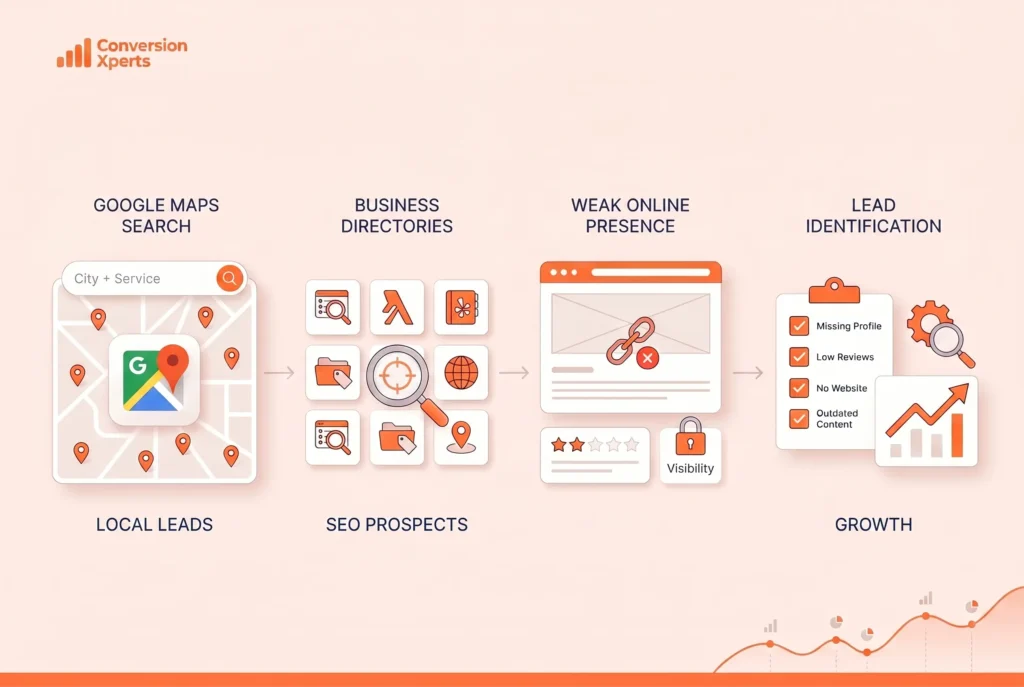
Identifying the right prospects separates successful agencies from those struggling to fill their pipeline. Local businesses with genuine SEO needs exhibit specific patterns you can spot systematically.
Use Local Search to Identify Prospects
Google Maps remains the fastest method for finding businesses without proper web presence. Search for service categories combined with location terms like “plumbers Los Angeles” or “dentists Chicago.” Scan the left sidebar where business profiles appear. Businesses lacking clickable website links represent immediate opportunities. Some list only Facebook pages or Instagram profiles instead of dedicated websites, signaling gaps in their digital infrastructure.
Zoom into specific neighborhoods to uncover additional prospects that broader searches miss. Google Maps adjusts results based on the visible map area, so focusing on particular districts reveals businesses operating without adequate online visibility. Create a spreadsheet tracking business names, phone numbers, addresses, and missing digital assets for systematic outreach.
Leverage Business Directories and Databases
Business directories serve dual purposes: they help businesses gain visibility while helping you identify prospects. Platforms like Yelp, Yellow Pages, and industry-specific directories contain listings where businesses provide contact information but no website link. These directory-only presences indicate businesses aware of online marketing but lacking complete execution.
Local business databases provide verified contact information at scale. Services offering 200M+ records include decision-maker names, verified emails with 97-99% accuracy, phone numbers, business hours, Google ratings, and 20+ enriched attributes for precise targeting. These databases cover healthcare providers, law firms, home services contractors, restaurants, and professional service providers. Monthly updates remove outdated contacts and add newly verified records, ensuring your outreach targets active businesses.
Target Businesses with Poor Online Visibility
Businesses ranking on pages two, three, or deeper for their primary service keywords need help. Search for service terms in your target area and examine which businesses appear beyond page one. Active digital presence combined with poor rankings indicates they understand marketing value but lack execution expertise.
Check Google Business Profiles for completeness. Unclaimed profiles, missing photos, sparse business descriptions, or absent responses to reviews signal neglect. According to research, 80% of consumers search online for local businesses at least once weekly. Businesses invisible in these searches lose customers daily to better-optimized competitors.
Find Recently Funded or Growing Companies
Startups receiving funding enter rapid growth phases requiring new partnerships and services. The first 1 to 3 weeks after a funding round creates ideal timing. Leadership makes decisions about vendor partnerships and go-to-market strategies during this window. Track funding announcements through Crunchbase, AngelList, and VC firm social media accounts for real-time alerts.
Monitor Competitor Websites for Opportunities
Examine which businesses hire your competitors by analyzing case studies, testimonials, and client lists on competitor websites. These businesses already understand SEO value and may consider switching providers if offered superior service or better results. This approach targets prospects with allocated budgets and decision-making frameworks already in place.
Getting SEO Clients Through Outbound Methods
“Do not address your readers as though they were gathered together in a stadium.” — David Ogilvy, Founder of Ogilvy and a foundational figure in modern advertising
Outbound outreach puts you in control of your client pipeline rather than waiting for prospects to find you. While average cold email response rates hover around 20%, most agencies see rates closer to 0%. The difference lies in execution.
Craft Cold Emails That Get Replies
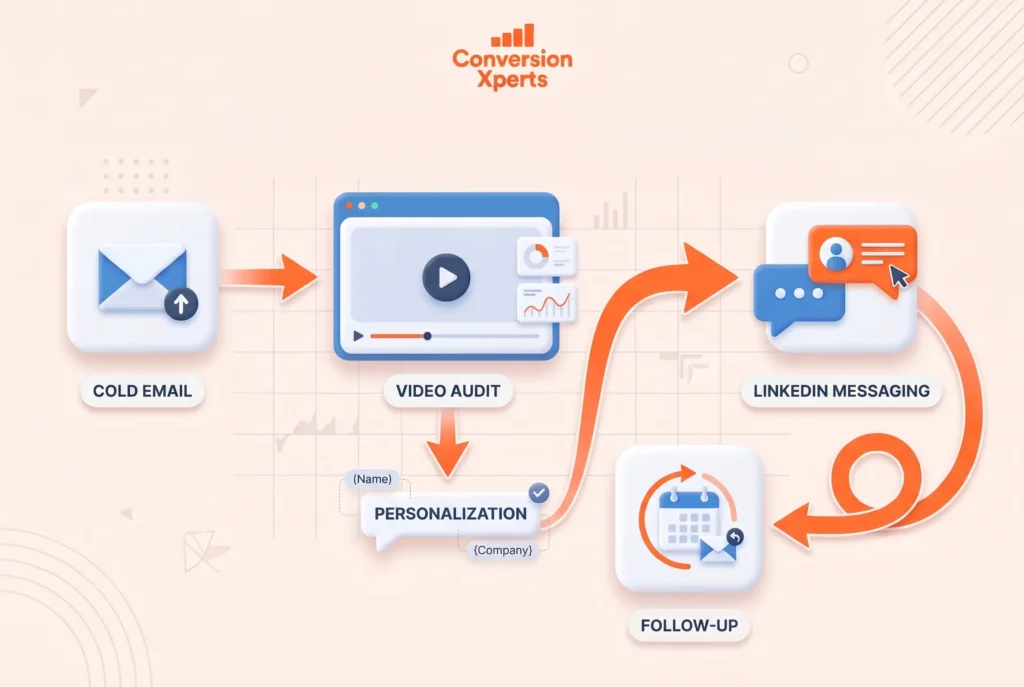
Personalization drives results. According to research, personalization increased email response rates by 100%. This means using the prospect’s first name in subject lines or opening sentences, mentioning recent company news or accomplishments, bringing up specific details about their business, or referencing blog posts they’ve published.
Your subject line determines whether the email gets opened. Two approaches work: extremely short subjects or longer personalized ones that reference specific business details. Avoid spammy, keyword-filled text. Using your real name rather than a company name yields higher success rates since people prefer talking to people, not brands.
The email body should address one specific problem you noticed on their website. Skip generic promises about “boosting traffic.” Instead, point to a missing H1 tag, slow page load times, or inconsistent NAP citations you spotted during research. Offer a free video audit showing why competitors outrank them. This approach provides value before asking for anything.
Follow-up sequences matter significantly. Sending 4-7 emails generated a 27% response rate compared to just 9% for sending 1-3 emails. Each follow-up should provide new value or information rather than simply reminding prospects they didn’t reply.
Send Personalized Video Audits
Video outreach cuts through crowded inboxes. Video emails increase click-through rates by 300% over text-only emails, while personalized videos deliver 4.5 times higher click-through rates than non-personalized versions.
Record a screen capture showing the prospect’s website alongside a face-to-camera introduction. Point out one to three specific opportunities like weak headlines, confusing navigation, or ad-landing page disconnects. Keep videos under five minutes. Frame observations as helpful insights rather than harsh criticism.
Structure your video with a brief introduction stating why you’re reaching out, specific audit findings with visual evidence on their actual site, quick wins they could implement immediately, and a soft call-to-action like “Happy to send over 2-3 quick ideas if this is helpful.”
Follow Up Without Being Pushy
Following up can increase reply chances by 66%. Wait three business days after your initial email before sending your first follow-up, as this timing can lead to a 31% increase in replies.
Each follow-up should stand alone with new value. Share a relevant case study, industry insight, or additional observation about their site. Avoid “just checking in” messages. Shift to weekly check-ins after the second follow-up, lest you overwhelm their inbox.
Use LinkedIn for B2B Outreach
LinkedIn messages face challenges, with 75-82% going unanswered. Stand out by using pattern interrupt openings instead of generic “Hi [Name]” greetings. Messages starting with “I know this is random…” or “Really quick…” achieve 40% more opens.
Keep messages under 75 words. Focus on problems they face rather than solutions you sell. Ask soft questions like “Would it be alright if I shared a few ideas for solving [their problem]?” Avoid requesting meetings in first messages. Build conversation first, then transition naturally to calls after establishing value.
Getting More SEO Clients Through Inbound Strategies
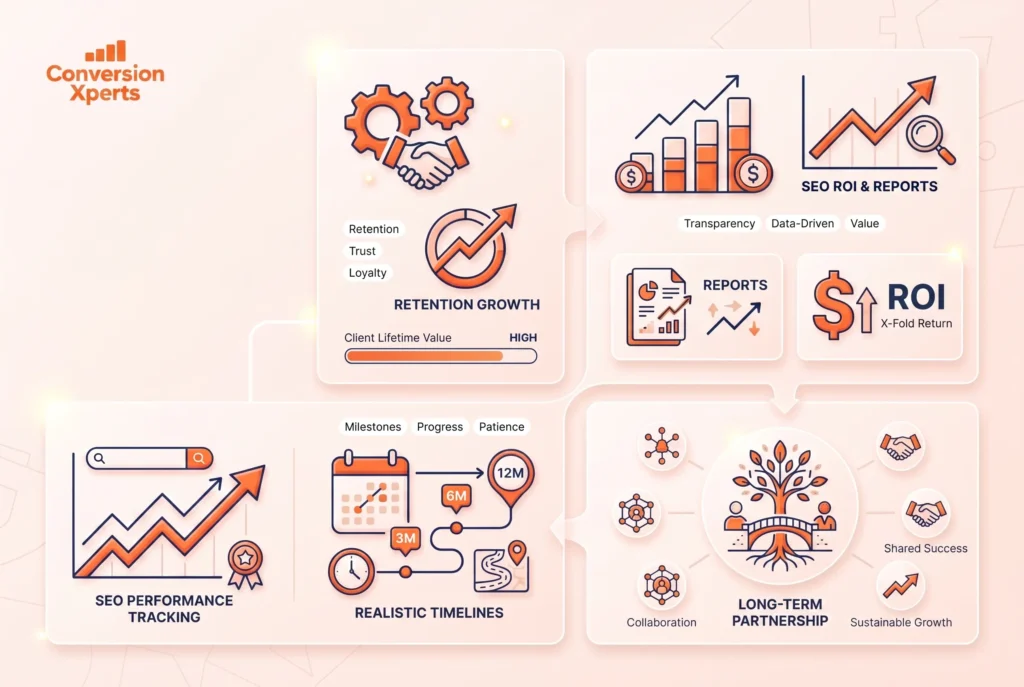
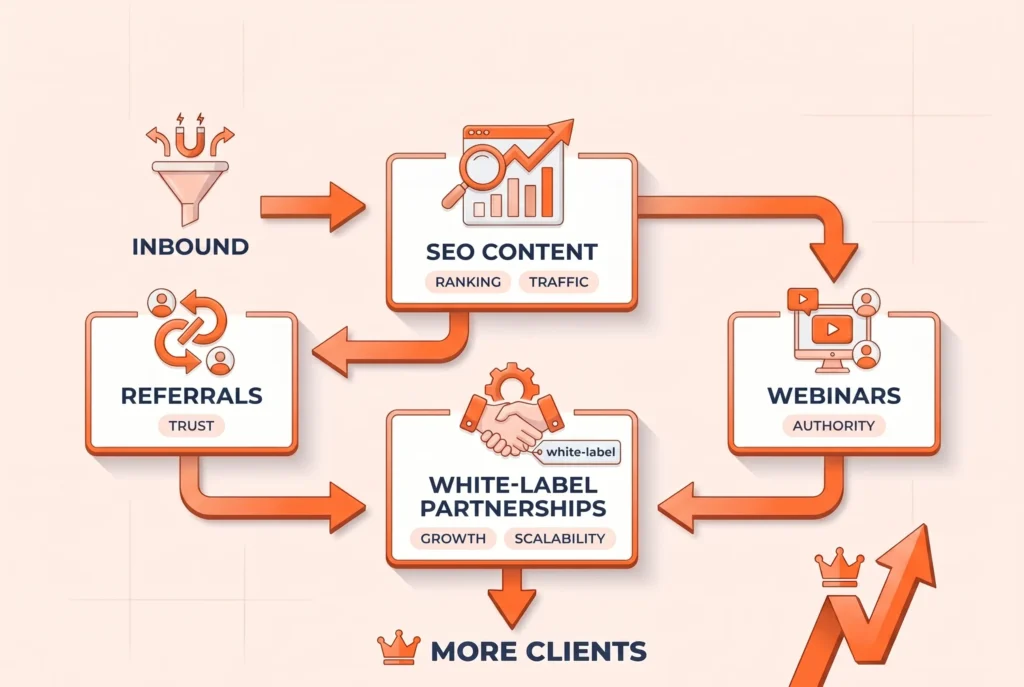
Inbound strategies flip the script by positioning your agency so prospects seek you out rather than the reverse. This approach builds sustained momentum over time.
Rank Your Website for Client-Intent Keywords
Prospects searching “hire SEO agency Denver” or “local SEO services Chicago” demonstrate buying intent. Ranking for these terms connects you with decision-makers actively looking for help. Your website becomes a lead generation asset working around the clock. Write content addressing questions prospects Google before hiring, like “how much does SEO cost” or “why is my traffic dropping.” Each post compounds over time while establishing expertise you can reference during outreach conversations.
Leverage Referrals from Existing Clients
Referrals drive up to 65% of new business for agencies and deliver 37% higher retention rates compared to clients acquired through other methods. Establish a formal referral program offering discounts, account credits, or additional services for successful introductions. The key lies in making referrals effortless. Provide clients with shareable case studies, simple referral forms, and clear explanations of your services they can pass along. Ask for referrals immediately after delivering positive results when satisfaction peaks.
Speak at Industry Events and Webinars
Educational content creates remarkable results. One agency founder reports that 40% of their clients and 78% of their revenue came from educational experiences like workshops, webinars, and digital guides. Speaking positions you as an authority while reaching audiences already interested in your expertise. Target events your prospects attend rather than SEO conferences filled with competitors. Local business expos, chamber meetings, and industry summits put you in front of decision-makers. Webinars scale this approach by attracting registrants you can follow up with individually after delivering value.
Participate in Local Business Networks
Chambers of commerce host networking events, offer discounted services, and provide marketing opportunities for members. Business Network International (BNI) operates more than 11,000 chapters worldwide focused specifically on lead generation through referrals. Regular attendance builds relationships that generate introductions naturally. Contribute value by offering referrals yourself and participating in committees.
Offer White-Label Services to Agencies
Other agencies need SEO expertise but lack internal resources. White-label partnerships let you deliver services they rebrand and sell to their clients. This approach scales your business without direct client acquisition costs while establishing recurring revenue streams from agency partners.
Closing and Retaining SEO Clients Long-Term
“Repeat business or behavior can be bribed. Loyalty has to be earned.” — Janet Robinson, Former CEO of The New York Times Company
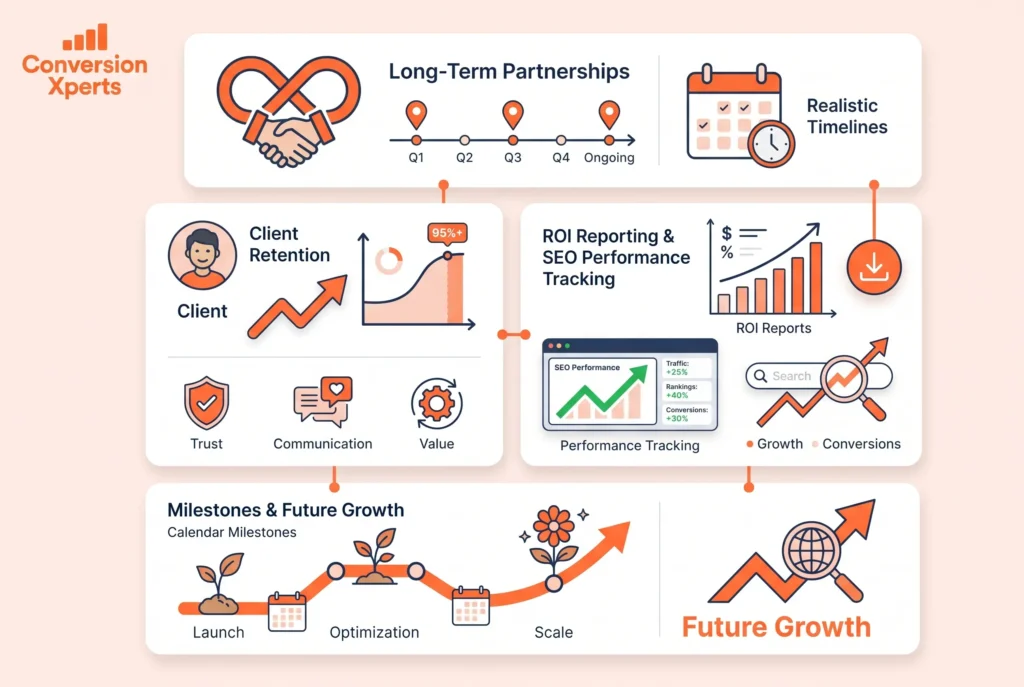
Acquiring new clients costs your agency far more than keeping existing ones. Retaining clients is 5-7 times less expensive than acquisition, and increasing retention rates by just 5% can boost profits by 25-95%. The difference between agencies that churn through clients and those building decade-long partnerships comes down to four practices.
Show Clear ROI and Business Impact
Connect every SEO metric to business outcomes your clients care about. Traffic numbers mean nothing without context. Instead, translate organic visits into attributed revenue, lead generation into qualified opportunities, and rankings into market share. Calculate what content assets deliver over time, showing how pieces ranking for three years generate leads without additional budget spend. Use attribution models that fit your client’s sales cycle, whether last-click for simple transactions or position-based for longer B2B cycles.
Set Realistic Timelines and Deliverables
SEO typically takes 4-12 months to show meaningful results. Set expectations during onboarding by providing visual roadmaps showing when clients can expect site audits, technical fixes, content publication, and initial traction. Break strategies into phases with milestone achievements, celebrating smaller wins like improved indexing and secondary keyword rankings before major traffic increases materialize.
Create Monthly Value Reports
Reports should connect activity to outcomes, not just list tasks completed. Structure each report to show where clients started, current measurable wins, and what’s planned next. Include tasks completed, keyword ranking changes, organic traffic trends, conversion data, and how specific actions contributed to improvements. Send reports within the first week of each month with written analysis providing context.
Build Partnership Relationships, Not Vendor Contracts
Treat clients as collaborators, not just revenue sources. Involve them in decision-making processes and seek their input on strategy aspects. Schedule quarterly reviews to ensure alignment with evolving business goals. Address performance decreases transparently, explaining potential causes and adjustment plans before clients raise concerns. This honesty builds trust that survives temporary setbacks.
Conclusion
You now have a complete roadmap for getting SEO clients consistently. The strategies we’ve covered work, from preparing your agency with trust assets to mastering both outbound and inbound acquisition methods.
The key to sustainable growth is consistency. Keep refining your outreach, track what converts best, and double down on channels delivering results. Remember, client retention matters just as much as acquisition. Focus on delivering measurable ROI and building genuine partnerships.
Start with one or two strategies that match your current resources. Test, measure, and scale what works. Your client pipeline will grow steadily with the right systems in place.