How to Improve the Quality of Your Lead Generation (And Actually Convert More)
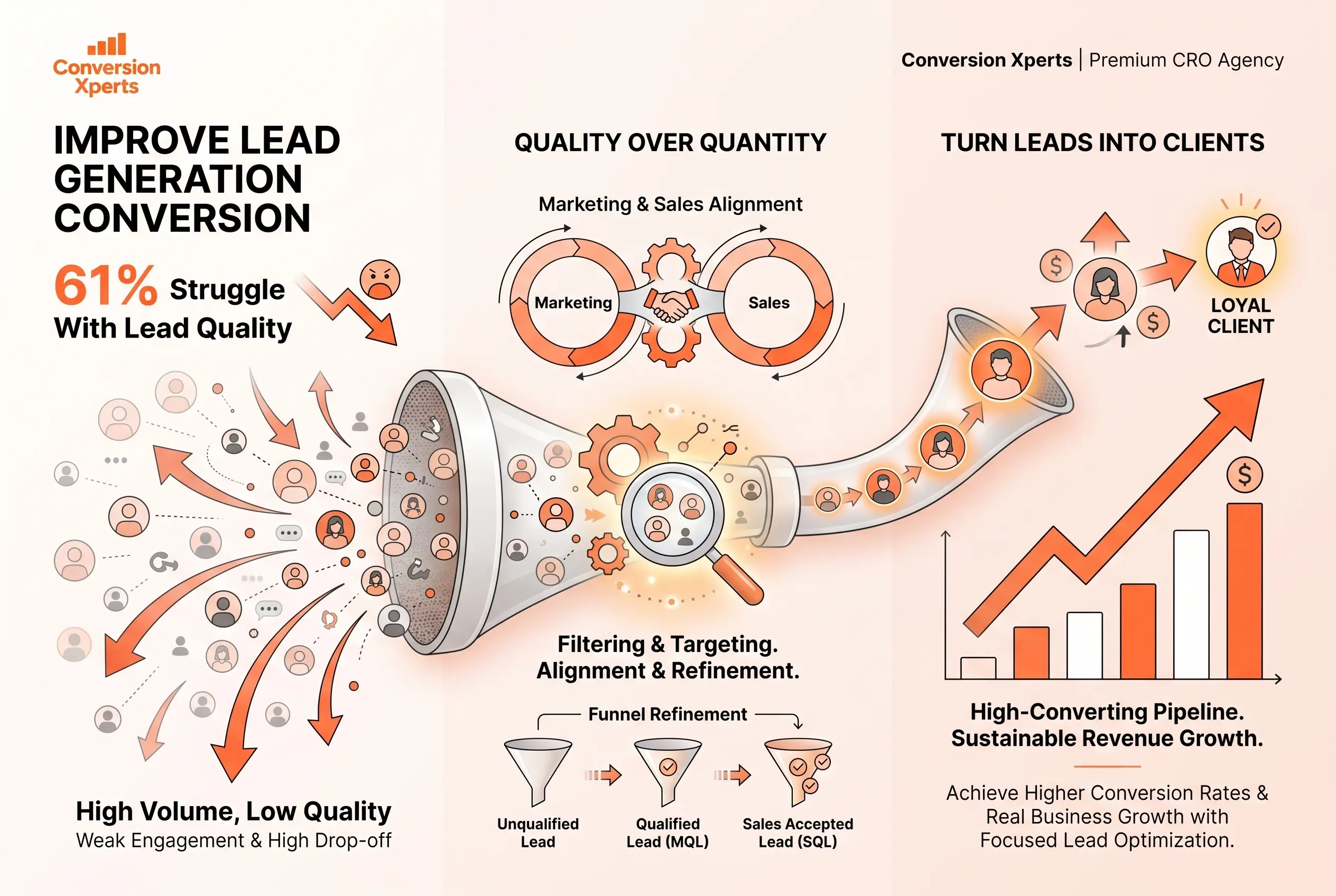
What Makes a Lead “High Quality”
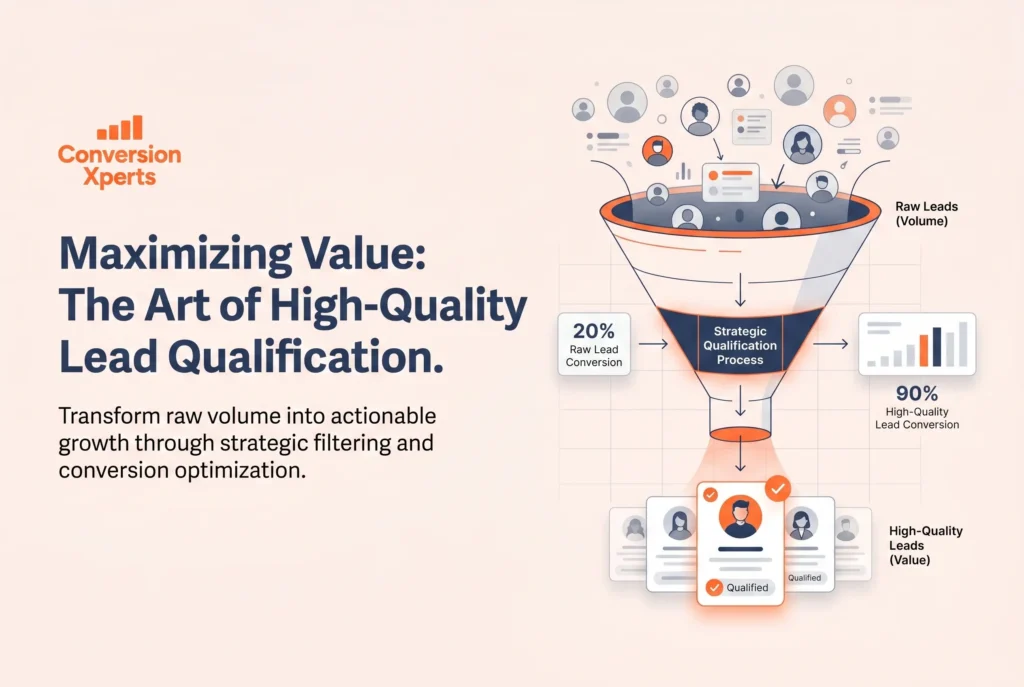
A high-quality lead is someone who has a real need for what you sell, the budget to buy it, and the intention to make a decision soon. Without all three, even a warm conversation rarely becomes a closed deal.
This sounds obvious. But most marketing teams never define it clearly, and that gap between marketing and sales is where revenue disappears.
The Difference Between a Lead and a Qualified Lead
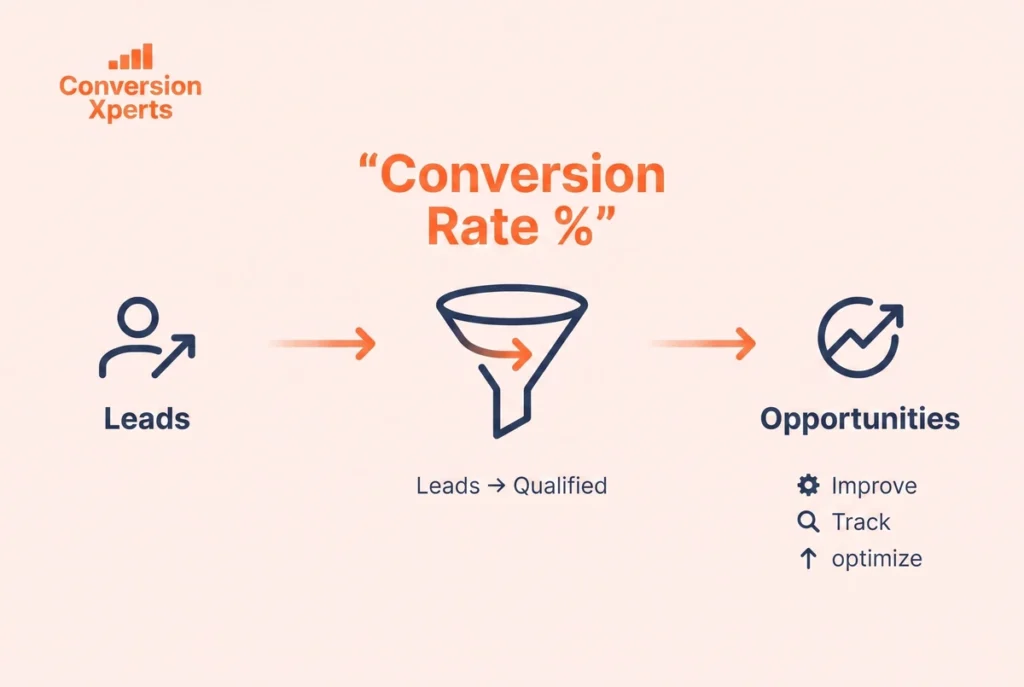
A lead is anyone who has shown some interest. A qualified lead is someone who fits your ideal customer profile and is ready to move forward.
Think of it this way. If you run a B2B software company and a student fills out your contact form out of curiosity, that is a lead. If a head of operations at a mid-size logistics company downloads your pricing guide, that is a qualified lead.
The difference matters because your sales team spends the same amount of time on both. One is a real opportunity. The other is a distraction.
What Is an Ideal Customer Profile and Why You Need One
Your ideal customer profile (ICP) is a description of the type of company or person most likely to buy from you and get real value from your product or service.
It includes things like industry, company size, role of the decision-maker, common pain points, and buying behavior.
Without a clear ICP, your lead generation is basically guesswork. You are casting a wide net and hoping the right fish swim in. With a clear ICP, you can fish exactly where your best customers are.
According to a 2023 Gartner study, companies that use a well-defined ICP in their marketing see 68% higher account win rates than those that do not.
Signs Your Leads Are Low Quality
Here are the most common warning signs:
Your sales team constantly complains that leads are “not a fit.” Your close rate is below 10%. Leads go cold after the first conversation. You spend more time qualifying leads than closing them. Your cost per acquisition keeps rising even though traffic is stable.
If two or more of these sound familiar, your lead quality problem is costing you real money right now.
How to Identify and Attract the Right Leads
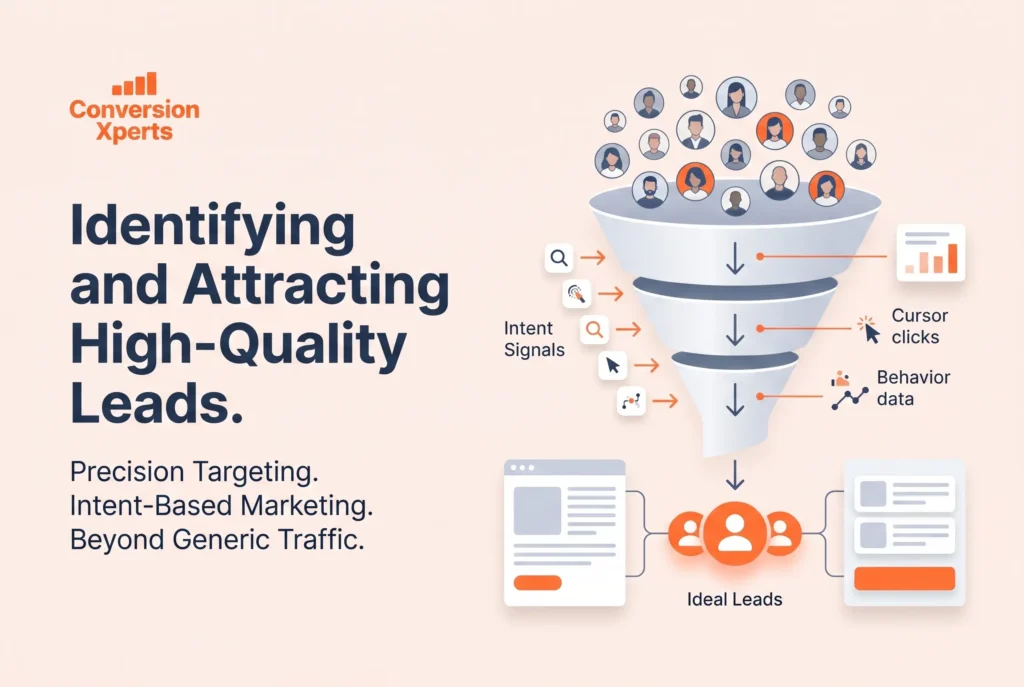
The fastest way to improve the quality of your lead generation is to stop marketing to everyone and start marketing only to the people most likely to buy.
Audit Your Best Existing Customers First
Before you change anything in your marketing, look at your last 20 to 30 customers who were genuinely happy, renewed their contracts, or referred someone to you.
Ask: Where did they come from? What did they say when they first reached out? What problem were they trying to solve? How long did it take them to decide?
The answers reveal your best lead sources and the patterns behind your most valuable customers. Use that information to build or refine your ICP.
This is one of the most overlooked steps in lead generation and conversion strategy. Most companies skip it entirely and just keep running the same campaigns they always have.
Use Intent Signals to Find Buyers, Not Browsers
Intent data tells you when someone is actively researching a problem your product solves. Tools like Bombora, G2, and even LinkedIn Sales Navigator can show you which companies are searching for solutions like yours right now.
This shifts your outreach from cold to warm before you even make contact. Instead of interrupting someone with a pitch they did not ask for, you are reaching out to someone who is already looking for help.
According to a 2024 Demand Gen Report, sales teams using intent data see a 58% improvement in pipeline quality within six months.
Refine Your Content Strategy Around Buyer Pain Points
Most content strategies are built around what the brand wants to say, not what the buyer needs to hear. That is the wrong way around.
Your content should directly address the specific frustrations, fears, and goals of your ICP at each stage of their decision process.
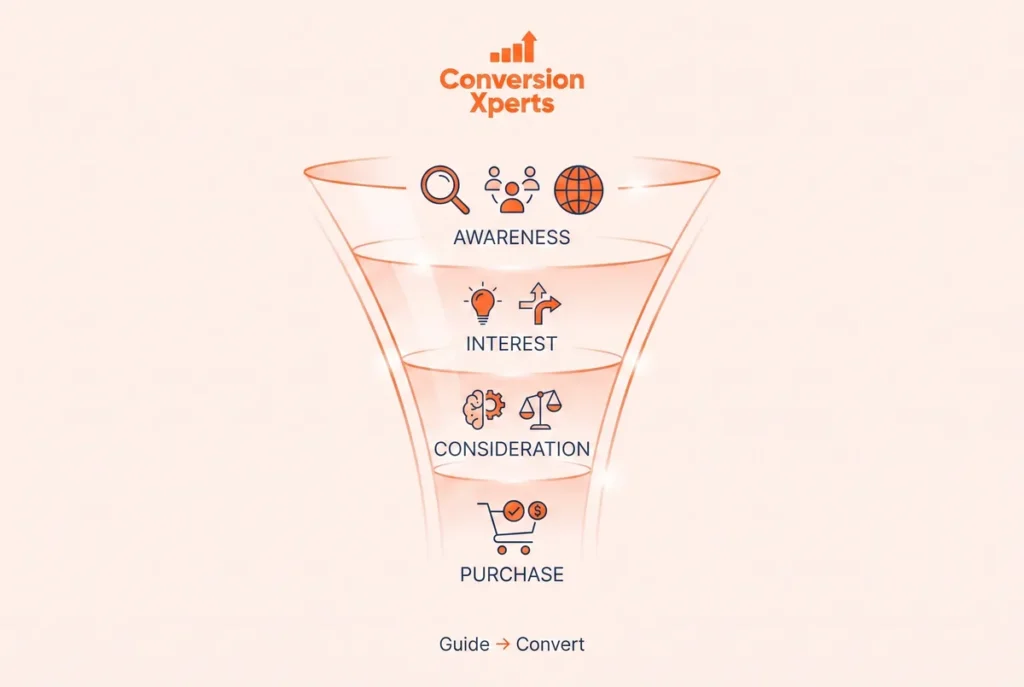
Someone early in their journey needs educational content that helps them understand their problem. Someone closer to buying needs comparison content, case studies, and pricing clarity.
When your content matches where the buyer is in their journey, the leads it attracts are far more qualified and far more likely to convert.
Strategies That Improve Lead Generation and Conversion Together
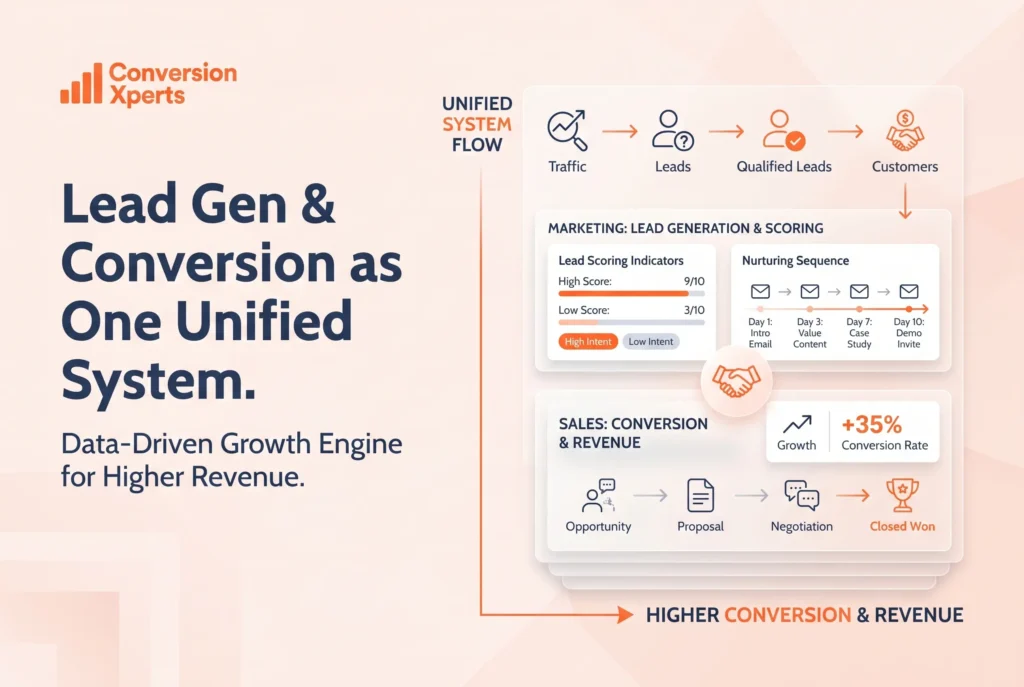
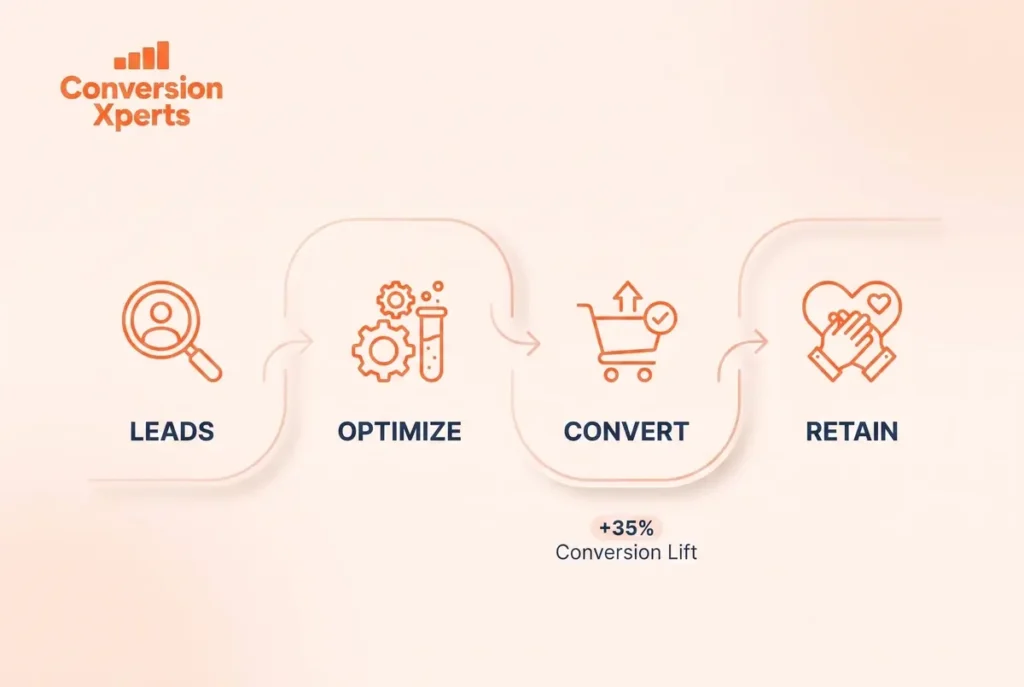
Most teams treat lead generation and conversion as separate problems. The best teams treat them as one connected system.
Here is how they do it.
Align Sales and Marketing Around the Same Definition of a Good Lead
This sounds basic. It rarely happens in practice.
Marketing teams are often measured on the volume of leads they produce. Sales teams are measured on deals closed. These two goals can pull in opposite directions.
When marketing fills the pipeline with unqualified leads to hit their numbers, sales wastes time on people who will never buy. When sales blames marketing for bad leads without giving feedback, marketing keeps repeating the same mistakes.
The fix is a shared lead scoring system and a regular meeting where both teams review what is working and what is not.
A shared service level agreement (SLA) between marketing and sales, which defines what a qualified lead looks like and what happens when one is identified, can increase revenue by up to 34%, according to a 2023 HubSpot State of Marketing report.
Score Your Leads Before Handing Them to Sales
Lead scoring assigns a numeric value to each lead based on how well they match your ICP and how they have engaged with your brand.
A lead from a company in your target industry, who visited your pricing page twice, downloaded a case study, and opened three emails in a row, scores much higher than someone who clicked one ad.
The higher the score, the hotter the lead. Your sales team calls the hot ones first. Cold ones go back into a nurture sequence.
This simple process alone can dramatically improve your conversion rate in lead generation because your sales team spends their time where it matters most.
Use Lead Nurturing to Warm Up Leads Who Are Not Ready Yet
Not every lead is ready to buy when they first come in. Research from Marketo shows that 96% of website visitors are not ready to purchase on their first visit.
Nurturing means staying in front of those leads with helpful, relevant content over time, so that when they are ready to buy, you are the first company they think of.
A good nurture sequence includes emails tailored to their pain point, a mix of educational and social proof content, and occasional soft calls to action like booking a call or watching a demo.
Done well, lead nurturing can increase qualified leads by 45% and lower the cost per lead by 33%, according to Demand Gen Report data from 2024.
How to Increase Your Conversion Rate in Lead Generation
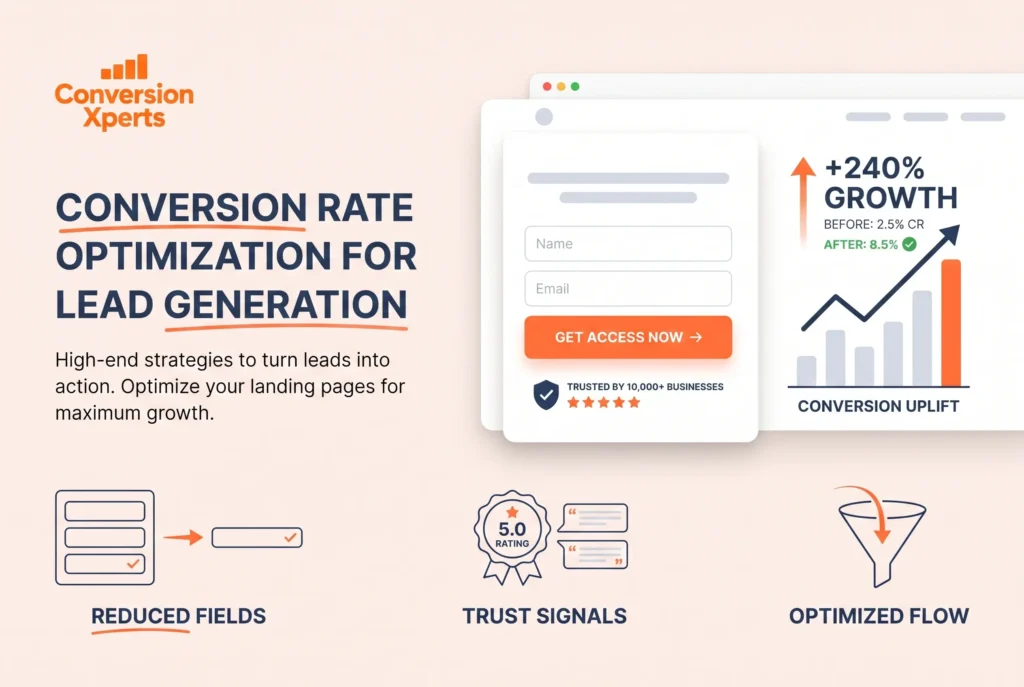
Improving conversion rate in lead generation means getting a higher percentage of your existing leads to take the next step. You do not always need more leads. You need more of the right ones to move forward.
Fix Your Landing Pages First
Your landing page is often the moment a visitor decides whether to trust you. If it is confusing, slow, or unconvincing, even qualified leads will leave without converting.
Here is what the highest-converting landing pages have in common:
One clear message that matches the ad or content that brought the visitor there. A specific, benefit-focused headline. Social proof in the form of testimonials, logos, or case studies placed near the call to action. A form with as few fields as possible. A page that loads in under three seconds on mobile.
According to a 2024 Unbounce Conversion Benchmark Report, landing pages with a single focused call to action convert 266% better than pages with multiple competing options.
Comparison Table: High-Converting vs. Low-Converting Lead Capture Pages
| Element | Low-Converting Page | High-Converting Page |
Headline | Generic and vague | Specific and benefit-focused |
Form fields | 8 to 12 fields | 3 to 5 fields |
Social proof | None or hidden | Visible near the CTA |
Page load speed | Over 4 seconds | Under 3 seconds |
Call to action | “Submit” | “Get My Free Strategy Call” |
Mobile experience | Broken or cluttered | Clean and easy to tap |
Reduce Friction in the Conversion Process
Friction is anything that makes it harder for a lead to say yes. Every extra step, form field, or moment of confusion is a reason for someone to leave.
Audit your entire conversion process from first click to booked call or submitted form. Ask yourself at each step: is this necessary, or is it just how we have always done it?
Some of the highest-impact friction reducers are removing unnecessary form fields, adding live chat to high-intent pages, making your call to action button text more specific, and offering a shorter commitment option like a free audit or strategy call instead of a sales demo.
Build Trust With Social Proof at Every Stage
Trust is the most underestimated conversion factor in lead generation. Buyers are skeptical by default. Your job is to give them evidence that other people like them have worked with you and gotten real results.
The most effective forms of social proof in lead generation include customer case studies with specific numbers, testimonials that mention a real problem and a real outcome, third-party review scores from sites like G2 or Trustpilot, and recognizable client logos.
A 2024 BrightLocal study found that 92% of buyers read reviews before making a purchasing decision, and businesses with strong review profiles see conversion rates up to 270% higher than those without them.
Tools and Tactics to Help You Convert More Leads
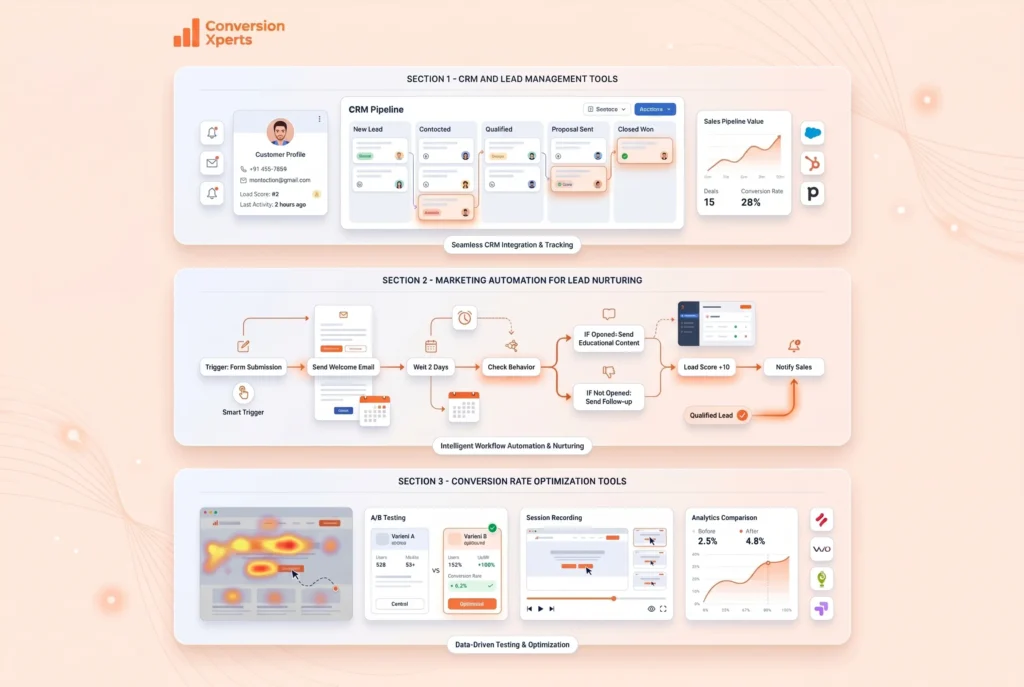
Knowing what to do is half the battle. Having the right tools makes execution faster and more consistent.
CRM and Lead Management Tools
A customer relationship management (CRM) system is the foundation of any serious lead generation operation. It tracks every lead, every interaction, and every stage of your pipeline.
Without a CRM, leads fall through the cracks. With one, your team always knows who to follow up with, when, and why.
HubSpot, Salesforce, and Pipedrive are the most widely used options for small to mid-size businesses. Each has a different strength. HubSpot is easiest to use out of the box. Salesforce is the most customizable. Pipedrive is built specifically for sales teams who need simplicity.
Marketing Automation for Lead Nurturing
Marketing automation tools let you send the right message to the right lead at the right time, without doing it manually every time.
Tools like ActiveCampaign, Klaviyo, and HubSpot Marketing allow you to build automated email sequences triggered by specific actions, such as downloading a resource, visiting a pricing page, or not opening an email in 30 days.
Automation keeps your leads warm between sales conversations and moves them closer to a buying decision, even when your team is not actively working on them.
Conversion Rate Optimization Tools
Conversion rate optimization (CRO) tools help you understand why leads are not converting and test changes that improve results.
Hotjar shows you heatmaps and session recordings of how visitors behave on your pages. Google Optimize and VWO let you run A/B tests on headlines, forms, and calls to action. Crazy Egg gives you click maps and scroll depth data.
Even small improvements from CRO work compound quickly. A 0.5% improvement in your conversion rate across thousands of monthly visitors can mean dozens of extra qualified leads every month without spending more on ads
How ConversionXperts Can Help You Improve Lead Quality and Conversion
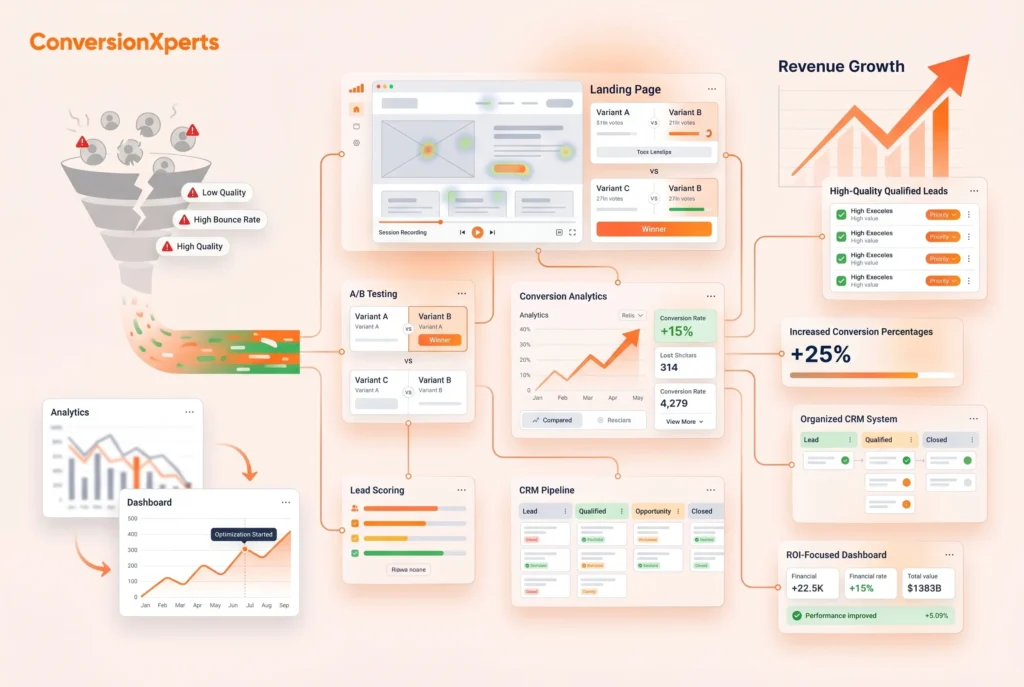
ConversionXperts is a conversion optimization agency that works specifically with businesses who are tired of getting leads that go nowhere.
Their team focuses on the full lead generation and conversion pipeline, not just traffic or top-of-funnel metrics. They help businesses identify exactly where leads are dropping off, what is stopping qualified prospects from moving forward, and what changes to landing pages, offers, and follow-up sequences will have the biggest impact on revenue.
Their services include conversion audits that pinpoint the exact reasons your leads are not converting, landing page redesigns built around buyer psychology and real data, lead scoring and CRM setup to make sure your sales team always focuses on the right people, and ongoing optimization programs that keep improving results over time.
What makes ConversionXperts different is their focus on the quality of the outcome, not just the quantity of activity. They do not just drive more traffic or generate more leads. They make sure the leads you already have convert at a higher rate, so you get more revenue from the same budget.
If you are ready to stop guessing and start seeing real results from your lead generation efforts, ConversionXperts is worth a serious look.