
Cart Abandonment Recovery Services

Recover lost revenue, increase conversions, and create a smoother checkout experience for your customers with our Cart Abandonment Optimization service.
Every single day your ecommerce store is quietly losing a significant portion of the revenue it has already earned. A shopper finds your product. They browse your collection. They read your descriptions. They add something to their cart. And then they leave without buying.
This is cart abandonment and it is the single most expensive conversion problem in ecommerce. Research from the Baymard Institute, which has conducted the largest ongoing study of ecommerce usability in the world, consistently finds that the global average cart abandonment rate sits at approximately seventy percent. That means for every ten shoppers who add something to their cart, seven of them walk away without completing a purchase.
For a store generating one hundred thousand dollars in monthly revenue with a seventy percent abandonment rate, that number represents the shadow of nearly two hundred and thirty thousand dollars in potential revenue that is being lost every single month. Not because your products are wrong. Not because your prices are too high. But because something in the experience between the cart and the completed purchase is creating enough friction, uncertainty, or distraction to break the buying momentum of visitors who were already close to converting.
Cart abandonment recovery services from ConversionXperts.com exist to close that gap permanently. We serve ecommerce businesses across the United States, United Kingdom, United Arab Emirates, Canada, Australia, and Pakistan with a research-driven, multi-channel approach that addresses cart abandonment at every stage: prevention, recovery, and long-term systematic reduction.
In this page you will learn exactly why shoppers abandon carts, what a professional cart abandonment recovery service does that generic tools cannot replicate, how our process works at ConversionXperts.com, which channels and strategies we deploy, and how businesses like yours have recovered substantial lost revenue by partnering with our team.

What Cart Abandonment Really Is and Why It Is Costing You More Than You Think

Cart abandonment occurs when a shopper adds one or more items to their online shopping cart but exits the website without completing a purchase. It is one of the most extensively studied phenomena in ecommerce, and yet it remains one of the most underaddressed revenue problems in the industry.
Most ecommerce businesses are aware that cart abandonment is happening on their store. Very few have a systematic strategy for both preventing it and recovering it when it occurs. Even fewer understand the full revenue cost of their abandonment rate because the calculation is not always intuitive.
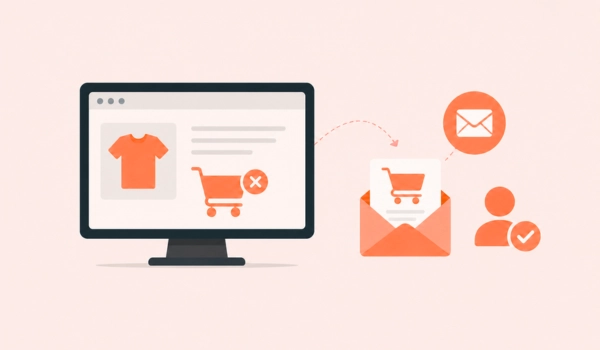
Website optimization services to reduce cart abandonment rate
Here is how the math works. If your store generates five thousand shopping sessions per month and your average order value is eighty dollars, a seventy percent abandonment rate means that three thousand five hundred potential purchases are being lost every month. If just twenty percent of those abandoned carts could be recovered, that represents an additional five hundred and sixty thousand dollars in annual revenue that already exists within your existing traffic without any additional advertising spend.
This is why cart abandonment recovery is one of the highest-return investments available to any ecommerce business. You are not paying to acquire new traffic. You are converting more of the traffic and purchase intent you have already paid for.
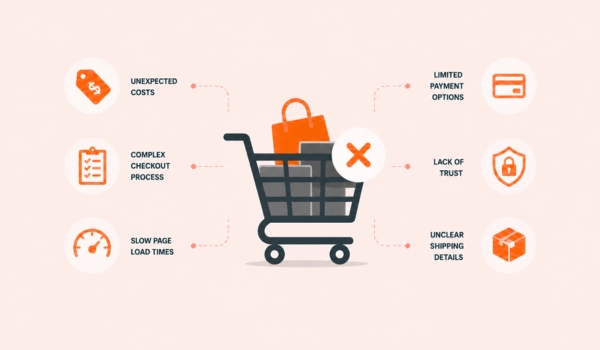
Why customers abandon carts during checkout process

The Real Reasons Shoppers Abandon Their Carts

Understanding why shoppers abandon is the foundation of every effective recovery and prevention strategy. Generic advice tells you that shoppers abandon because of unexpected shipping costs. That is true but deeply incomplete. The real picture is more nuanced, and our behavioral research consistently surfaces a wider range of abandonment triggers that most businesses are not addressing.
Unexpected costs at checkout are the most commonly cited reason for cart abandonment. When shoppers reach the checkout page and discover shipping fees, taxes, or service charges that were not visible earlier in their journey, the psychological experience is one of price deception, even when the fees are entirely standard and disclosed. The shock of a number higher than expected breaks purchase momentum immediately.
Forced account creation is the second most common abandonment driver. When a shopper who has spent time choosing a product is presented with a mandatory registration form before they can complete their purchase, many choose to leave rather than commit. They came to buy, not to sign up for a relationship.
A complicated or lengthy checkout process is a significant abandonment driver across all device types but particularly severe on mobile. When the number of steps, form fields, or screen interactions required to complete a purchase exceeds what feels reasonable for the value of the transaction, shoppers lose patience and leave.
Lack of trust signals at the payment stage triggers abandonment for shoppers who were otherwise committed to buying. When someone is about to enter their credit card number, they need visible reassurance that the transaction is secure, that the company is legitimate, and that their purchase is protected. Missing or poorly positioned trust signals create last-second doubt that reverses the buying decision.
Insufficient payment method options cause abandonment among shoppers who have a strong preference for a specific payment method and cannot find it available at checkout. This is particularly significant in markets outside the United States where local payment methods, digital wallets, and buy now pay later services vary significantly from the options that are standard in North American ecommerce.
Comparison shopping and price checking are behavioral patterns that create abandonment that is not driven by a problem with your store at all. Some shoppers add to cart as a way of saving an item while they check competitor prices or think about the purchase overnight. These abandoners require a different recovery approach than those who left due to friction.
Technical problems including slow page load times, error messages during checkout, session timeouts, and checkout flow bugs cause abandonment that is invisible to most analytics setups. When a shopper encounters a technical barrier they cannot resolve, they leave immediately and rarely return without a proactive recovery effort.

The ConversionXperts Cart Abandonment Recovery Approach: Prevention First, Recovery Second

Most cart abandonment tools focus exclusively on recovery, specifically on the email or SMS sequence that fires after a shopper has already left. That is valuable, but it is addressing the symptom rather than the underlying cause.
At ConversionXperts.com, our approach puts prevention at the center of the strategy. We believe that the most profitable cart abandonment work is the work that stops abandonment from happening in the first place by removing the friction, building the trust, and creating the clarity that keeps shoppers moving toward purchase completion.
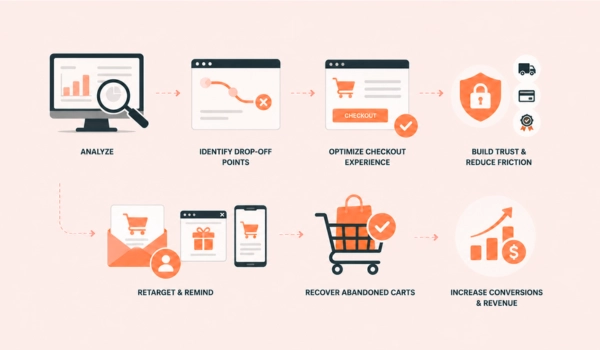
Conversion focused cart recovery optimization methodology
Only after the highest-impact prevention opportunities have been addressed do we build and optimize the recovery layer that captures the abandonment that is genuinely unavoidable, because some shoppers will always leave regardless of how optimized your experience is.
This two-stage approach consistently outperforms the purely recovery-focused strategies that most tools and many agencies provide, because it improves the baseline conversion rate of your store while simultaneously recovering a higher percentage of the reduced abandonment volume that remains.

Stage One: Cart Abandonment Prevention Through Conversion Rate Optimization

Prevention is the highest-leverage form of cart abandonment recovery. Every shopper you keep on the path to purchase is worth more than any shopper you attempt to recover after they have left, because recovery requires additional contact, additional trust rebuilding, and typically involves some form of incentive like a discount that reduces your margin.
Our cart abandonment prevention work sits within our broader conversion rate optimization process and focuses on the specific stages of the customer journey where abandonment is most likely to occur.

Checkout Flow Audit and Friction Mapping

Our first step is always a comprehensive audit of your checkout experience. We use quantitative analytics to identify the precise steps in your checkout flow where the largest drops in completion occur. We use session recording tools to watch real anonymous user sessions and observe the specific moments where shoppers hesitate, backtrack, or exit. We use heatmapping to understand where attention is going and where it is not during the checkout process.
This friction mapping process gives us a precise, evidence-based picture of exactly what is causing abandonment on your specific store for your specific audience. It is the foundation on which every subsequent optimization decision is built.

Checkout Transparency Optimization

One of the most consistently high-impact prevention strategies we implement is the introduction of price transparency earlier in the shopping journey. When shoppers can see their estimated total cost, including shipping, taxes, and any fees, before they reach the checkout page, the psychological experience of reaching the payment stage is confirmation rather than surprise.
We implement shipping cost calculators on product pages and in cart experiences, optimize your free shipping threshold communication to encourage cart building that meets the threshold, and restructure how fees and taxes are disclosed so that the final checkout number is never a surprise to a shopper who has been paying attention.

Trust Signal Architecture at the Checkout Stage

At the moment a shopper is about to enter their payment details, purchase anxiety is at its absolute peak. We design and test trust signal placements specifically for the checkout stage of your store, ensuring that the signals most relevant to the specific uncertainty a shopper might be experiencing are visible at the precise moment that uncertainty is most likely to arise.
This includes security badge placement, satisfaction guarantee communication, return and refund policy visibility, social proof elements including review counts and recent purchase activity, and any third-party trust certifications relevant to your market.

Guest Checkout and Frictionless Account Creation

If your store requires account creation before purchase completion, you are experiencing significant avoidable abandonment. We implement and optimize guest checkout pathways that allow shoppers to complete their purchase without commitment, then invite them to create an account after the transaction is complete when they are in a positive emotional state about their purchase rather than a pressured one.
For merchants who require accounts for legitimate business reasons such as subscription management or loyalty programs, we redesign the account creation experience to minimize perceived effort and communicate the specific value the shopper receives from creating an account.

Payment Method Expansion and Optimization

We audit your current payment method offering against the preferences of your target audience by market and device type, identify gaps between what you offer and what your shoppers prefer, and work with your technical team to implement the payment methods most likely to reduce abandonment in your specific context.
For merchants serving international markets, this includes ensuring locally preferred payment methods are available and prominently displayed for each geographic audience segment. For merchants serving markets where buy now pay later services are widely used, this includes evaluating and implementing the most appropriate BNPL options for your price point and product category.

Mobile Checkout Experience Optimization

In most markets, mobile devices now account for the majority of ecommerce traffic. Yet mobile checkout completion rates consistently underperform desktop completion rates by a significant margin. The gap represents a large and recoverable abandonment problem that is driven by form interaction friction, keyboard type mismatches, auto-fill failures, and checkout layouts optimized for desktop rather than thumb navigation.
Our mobile checkout optimization work specifically addresses form field input on mobile devices, tap target sizing and spacing, progress indicator clarity, mobile keyboard optimization for different input types, and the overall visual hierarchy of the checkout experience on small screens.

Stage Two: Multi-Channel Cart Abandonment Recovery

After prevention-focused CRO work has reduced your baseline abandonment rate, our recovery layer captures the remaining abandonment through a coordinated multi-channel strategy. This is where the shoppers who left despite an optimized experience are brought back and converted.

Email-Based Cart Abandonment Recovery

Email remains the highest-converting cart abandonment recovery channel for most ecommerce businesses, and it is the foundation of our recovery strategy. A well-designed cart abandonment email sequence does not simply remind shoppers what they left behind. It addresses the specific objection or uncertainty that caused the abandonment in the first place and provides the reassurance or incentive needed to bring them back to complete the purchase.
Our cart abandonment email strategy begins with the architecture of the sequence itself. We design sequences of three to four emails spaced over a seventy-two-hour window following abandonment, with each email serving a specific strategic purpose rather than simply repeating the same message at increasing intervals.
The first email, sent within one to two hours of abandonment, is a straightforward and helpful reminder that carries no discounting. It serves shoppers who abandoned for logistical reasons such as an interruption, a comparison check, or a moment of hesitation, and who simply need to be reminded to return and finish what they started.
The second email, sent twelve to twenty-four hours after abandonment, addresses objections more directly. Depending on what our behavioral research has revealed about the most common abandonment reasons on your store, this email may emphasize your return policy, highlight your reviews and social proof, address shipping and delivery expectations, or communicate your satisfaction guarantee more prominently.
The third email, typically sent at the forty-eight to seventy-two hour mark, introduces a limited-time incentive for shoppers who have not responded to the first two communications. We carefully calibrate this incentive to be compelling enough to drive action without training your audience to always abandon carts in anticipation of a discount.
The fourth email, where we deploy it, targets a subset of high-value abandoners with a personalized approach that references their specific abandoned items and connects the offer to their expressed purchase intent.
Every element of these emails is A/B tested continuously, including subject lines, preview text, product imagery presentation, social proof selection, call to action language, and incentive structure, to ensure the sequence is always performing at its highest possible recovery rate.

SMS and Push Notification Recovery

For merchants whose audiences have opted into SMS marketing, text message cart abandonment recovery consistently outperforms email in open rates and often matches or exceeds it in conversion rates, particularly for mobile-first shoppers who are more likely to complete a purchase on the same device they received the recovery message on.
Our SMS recovery strategy is deliberately restrained. We deploy one to two well-timed, concise messages that create genuine urgency where it exists, such as low inventory situations or time-sensitive offers, without manufacturing false scarcity that erodes trust over time.
Push notifications through web or app channels provide an additional recovery touchpoint for shoppers who have enabled notifications from your store. We design notification content to be contextually relevant and respectful of the shopper's attention, prioritizing timing and message relevance over volume.

Exit Intent and On-Site Intervention

Before a shopper leaves your website, there is a window of opportunity to address their hesitation and prevent abandonment from occurring at all. Exit intent technology detects the behavioral signals that indicate a shopper is about to navigate away and presents a targeted intervention designed to address the most likely cause of their departure.
Our on-site intervention strategy includes exit intent overlays on cart and checkout pages that address specific abandonment drivers, last-chance offers calibrated to the value of the abandoned cart, trust reinforcement messaging for shoppers who appear to be hesitating at the payment stage, and live chat or help prompts for shoppers who may have a specific question or concern that is blocking their purchase.
The content and design of every on-site intervention is based on our behavioral research findings rather than generic templates, which significantly improves their effectiveness.

Retargeting and Paid Recovery Campaigns

For high-value abandoned carts, paid retargeting campaigns across Google, Meta, and other relevant platforms extend the recovery effort beyond the shopper's inbox and SMS messages to follow them through the web with relevant, personalized reminders of what they left behind.
Our retargeting strategy for cart abandonment recovery includes dynamic product advertising that shows the exact items a shopper abandoned, sequential messaging that evolves the communication as time passes since abandonment, audience segmentation that applies different messaging and incentive strategies to different abandonment value tiers, and frequency management that keeps retargeting visible without becoming intrusive enough to create brand negative sentiment.

Cart Abandonment Recovery for Global Markets: Geo-Specific Strategies That Work

Cart abandonment is a universal ecommerce challenge but the specific causes and the most effective recovery strategies vary meaningfully across geographic markets. ConversionXperts.com serves ecommerce merchants in multiple international markets and our recovery strategies are calibrated to the specific behavioral patterns, cultural expectations, and technical preferences of shoppers in each region.
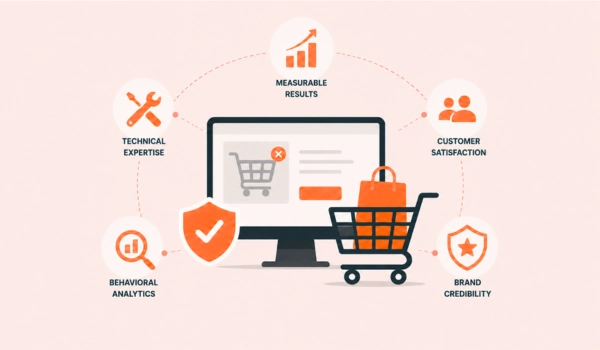
Professional cart abandonment optimization services for e-commerce growth

Cart Abandonment Recovery for US Markets

American ecommerce shoppers are highly sensitized to shipping costs and delivery speed. Free shipping thresholds, next-day and two-day delivery communication, and competitive comparison anxiety are the dominant abandonment drivers in US markets. Our US-focused recovery email sequences consistently prioritize shipping cost clarity in the first recovery email and delivery speed reassurance as a key trust signal throughout the sequence.
US shoppers also respond strongly to scarcity signals when they are authentic. For merchants with genuine low stock situations, our US recovery messaging leverages inventory-based urgency effectively because American consumers have been conditioned by major retailers to act on low-stock signals.

Cart Abandonment Recovery for UK Markets

British shoppers are notably price-conscious and highly skeptical of marketing communications that feel manipulative or pressure-driven. Aggressive urgency tactics that perform well in some US markets often backfire with UK audiences, producing unsubscribes and negative brand perception rather than conversions.
Our UK cart abandonment recovery strategy emphasizes transparency, helpfulness, and clear value communication over urgency-based pressure. Return policy prominence is particularly important in the UK market where consumer protection expectations are high and a strong returns policy is a significant purchase confidence signal.

Cart Abandonment Recovery for UAE and Middle East Markets

The UAE and broader Middle East ecommerce market has specific payment method preferences, cultural buying patterns, and seasonal shopping dynamics that require a tailored approach to cart abandonment recovery. Cash on delivery remains an important payment preference in parts of this market, and recovery messaging for audiences who may prefer this option needs to address payment flexibility directly.
Ramadan and other regional shopping periods create specific abandonment patterns driven by gift shopping behavior and extended consideration cycles that our seasonal recovery strategies are designed to address effectively.

Cart Abandonment Recovery for Canadian Markets

Canadian shoppers share many behavioral characteristics with US shoppers but have distinct expectations around Canadian dollar pricing, cross-border shipping clarity, and the bilingual requirements for brands serving Quebec and other French-speaking markets. Our Canadian recovery sequences account for these regional specifics, including French-language versions where required and clear CAD pricing throughout.

Cart Abandonment Recovery for Australian Markets

Geographic distance from major global shipping hubs means that delivery timeline expectations and uncertainty around international shipping are significant abandonment drivers for Australian ecommerce shoppers. Recovery messaging for Australian audiences consistently needs to address delivery timing and tracking transparency as a primary reassurance signal.

The Technology Stack Behind Our Cart Abandonment Recovery Services

The effectiveness of a cart abandonment recovery service is directly connected to the quality of the technology used to identify, segment, and communicate with abandoning shoppers. At ConversionXperts.com, we use enterprise-grade tools that provide the data depth, automation capability, and testing precision needed to consistently maximize recovery rates.
For behavioral research and abandonment analysis we use Hotjar and Microsoft Clarity for heatmapping and session recording, giving our team the ability to observe real abandonment events as they unfold and identify the specific friction points and hesitation moments that precede the exit.
For A/B testing of on-site interventions and checkout experiences we use Optimizely and VWO, which provide the statistical rigor needed to generate valid test results and the segmentation capabilities needed to understand how different audiences respond to different interventions.
For analytics and attribution we use Google Analytics 4 combined with your native Shopify or ecommerce platform analytics to track the complete abandonment and recovery journey and attribute recovered revenue accurately to each recovery channel and tactic.

What Clients Experience When They Work With ConversionXperts.com on Cart Abandonment

The results of a well-executed cart abandonment recovery program are both immediate and compounding. Here is a representative picture of the outcomes our clients consistently achieve.
A fashion accessories brand operating primarily in the United States was experiencing a cart abandonment rate of seventy-eight percent with no recovery infrastructure in place. After our audit revealed that unexpected shipping costs at checkout were the primary abandonment driver, we implemented transparent shipping cost communication on product pages and restructured their free shipping threshold messaging. Simultaneously we launched a three-email recovery sequence and exit intent overlays. Within ninety days, their cart abandonment rate fell to sixty-three percent and their email recovery sequence was generating an additional sixty-two thousand dollars in monthly recovered revenue.
A home and lifestyle brand serving both the UK and UAE markets came to us with a recovery email sequence that was generating only a one point four percent recovery rate, well below the industry benchmark. Session recording analysis revealed that their checkout page was triggering significant trust anxiety for UAE-based shoppers specifically because of the absence of locally familiar payment methods and a lack of Arabic language support in the checkout trust signals. After implementing geo-targeted checkout experiences and a market-specific recovery sequence for UAE audiences, their UAE recovery rate improved to four point eight percent and overall cart recovery revenue grew by over one hundred and forty percent.
A subscription supplement brand was relying on a discount-heavy abandonment recovery sequence that was training their audience to abandon carts intentionally in order to receive the recovery discount. After redesigning their sequence to lead with value-based and trust-based messaging rather than discounting, holding the discount to the third email only and reducing its depth, their recovery rate remained consistent while their recovered revenue margin improved significantly because fewer recovering shoppers were accessing the discounted price.

Why ConversionXperts.com Delivers Better Cart Abandonment Results Than DIY Tools and Generic Agencies

The cart abandonment recovery technology market is full of tools that promise to solve your abandonment problem with minimal setup and automated sequences. Many of these tools are genuinely useful. What they cannot provide is the strategic thinking, behavioral research, market-specific expertise, and continuous optimization that turn a standard cart recovery program into a high-performance revenue recovery system.
Here is what makes our approach different from both automated tools and generalist agencies.
We begin with research rather than templates. Every strategy we build is grounded in behavioral data from your specific store and audience rather than assumptions drawn from industry-wide best practices. What works for a fashion brand in the United States may be completely ineffective for a health supplement brand in the UAE. We research before we recommend.
We optimize the checkout experience before we invest in recovery. Prevention-focused CRO work consistently delivers higher returns than recovery-only strategies because it improves your baseline conversion rate permanently rather than chasing abandonment after it has already occurred.
We manage the complete multi-channel recovery ecosystem rather than optimizing a single channel in isolation. Email, SMS, push notifications, on-site interventions, and retargeting all work together in our integrated approach, with each channel playing a specific role in the overall recovery sequence.

Frequently Asked Questions About Cart Abandonment Recovery Services

What is cart abandonment and what causes it?

Cart abandonment is when an online shopper adds items to their shopping cart but exits the website before completing the purchase. The most common causes include unexpected shipping costs or fees discovered at checkout, mandatory account creation requirements before purchase, a complicated or lengthy checkout process, insufficient trust signals at the payment stage, limited payment method options, technical issues during checkout, and shoppers who added items to compare prices elsewhere before making a final decision.

According to the Baymard Institute, the global average cart abandonment rate across all ecommerce categories is approximately seventy percent. However, this figure varies significantly by device type, industry, and market. Mobile devices typically see higher abandonment rates than desktop due to checkout friction. A rate below sixty-five percent is generally considered above average performance. Stores that have invested in systematic CRO and recovery programs often achieve rates in the fifty-five to sixty percent range, which represents a substantial revenue improvement over the industry average.

The revenue potential of a well-executed cart abandonment recovery program depends on your current abandonment rate, your monthly traffic volume, your average order value, and the current state of your recovery infrastructure. As a general benchmark, a properly structured three-email recovery sequence typically recovers between five and fifteen percent of abandoned carts. For a store with five thousand monthly abandonment events and an eighty dollar average order value, recovering ten percent of abandoned carts generates forty thousand dollars in additional monthly revenue.

Cart abandonment refers to shoppers who add items to their cart but do not initiate the checkout process at all. Checkout abandonment refers to shoppers who begin the checkout process by entering the checkout flow but do not complete their purchase. Both are important to measure and address separately because they are driven by different factors and respond to different optimization strategies. Cart abandonment is typically driven by early-stage purchase uncertainty, while checkout abandonment is usually driven by friction, unexpected costs, or trust concerns encountered during the checkout process itself.

Email-based cart abandonment recovery sequences can generate measurable results within the first week of launch because the sequence fires automatically for every qualifying abandonment event from the moment it is activated. Conversion rate optimization work on the checkout experience typically begins to produce measurable improvements within sixty to ninety days as A/B tests reach statistical significance. The combination of both approaches tends to produce the most significant results in the three to six month range as prevention improvements reduce the abandonment baseline while recovery sequences continue to capture remaining abandonment events.

The regulatory requirements for cart abandonment emails vary by market and are an important legal consideration for ecommerce merchants, particularly those serving customers in the European Union, United Kingdom, Australia, and Canada where data privacy regulations are stricter than in the United States. In most jurisdictions, cart abandonment emails can be sent to customers who provided their email address during the checkout process even if they did not complete their purchase, but the specific requirements around consent, opt-out mechanisms, and message content vary. ConversionXperts.com works with clients to ensure their recovery sequences are compliant with the regulations applicable to each market they serve.

Yes. While we have particular depth of experience with Shopify and Shopify Plus merchants, our cart abandonment recovery services work across all major ecommerce platforms including WooCommerce, Magento, BigCommerce, and custom ecommerce builds. The behavioral research and strategic optimization work we do is platform-agnostic, and we work with the specific tools and integration capabilities of each platform to implement technical recommendations effectively.

Our free cart abandonment audit includes a review of your current checkout funnel analytics to identify the specific stages where the largest abandonment volumes are occurring, an assessment of your existing cart recovery infrastructure including email sequences, on-site interventions, and retargeting, a comparison of your abandonment rate against industry benchmarks for your specific category and primary market, and a prioritized summary of the highest-impact opportunities for both prevention and recovery. The audit gives you a clear picture of where your store stands today and what a partnership with ConversionXperts.com would focus on first to generate the fastest meaningful improvement in your recovery rate.


Building a Cart Abandonment Recovery System That Compounds Over Time

The most successful ecommerce businesses do not treat cart abandonment as a problem to solve once. They treat it as a performance dimension to continuously improve, because every improvement in abandonment rate or recovery rate compounds across the entire volume of their store's traffic.
At ConversionXperts.com, our long-term vision for every cart abandonment client we work with is to help them build a continuously improving system that gets better every month. Not just a set of email templates and a checkout tweak, but a genuine strategic advantage built on deep behavioral understanding of their specific shoppers, continuously tested and refined recovery communications, and a checkout experience that keeps getting more frictionless as every test teaches us something new about what their audience needs.
The stores that win in ecommerce over the long term are the stores that take the revenue they have already worked hard to attract and convert as much of it as possible into actual sales. Cart abandonment recovery done right is one of the highest-leverage ways to do exactly that.
If you are ready to stop losing the revenue you have already earned and start building a cart recovery system that produces compounding returns over time, visit ConversionXperts.com today and schedule your free cart abandonment audit. Our team will show you exactly where your store is losing revenue and exactly what it would take to get it back.

Real Clients. Real Results. Real Revenue Growth.

We let the numbers do the talking. Watch real business owners from e-commerce, and SaaS share how Conversion Xperts turned their underperforming websites into predictable revenue machines.
Chris Sheridan talking about my CRO services which improve Conversion Rates & Sales
Mark talking about my Hotjar, Google Analytics 4, Looker Studio Services

Why ConversionXperts.com Delivers Better Cart Abandonment Results Than DIY Tools and Generic Agencies

The cart abandonment recovery technology market is full of tools that promise to solve your abandonment problem with minimal setup and automated sequences. Many of these tools are genuinely useful. What they cannot provide is the strategic thinking, behavioral research, market-specific expertise, and continuous optimization that turn a standard cart recovery program into a high-performance revenue recovery system.
Here is what makes our approach different from both automated tools and generalist agencies.
We begin with research rather than templates. Every strategy we build is grounded in behavioral data from your specific store and audience rather than assumptions drawn from industry-wide best practices. What works for a fashion brand in the United States may be completely ineffective for a health supplement brand in the UAE. We research before we recommend.
We optimize the checkout experience before we invest in recovery. Prevention-focused CRO work consistently delivers higher returns than recovery-only strategies because it improves your baseline conversion rate permanently rather than chasing abandonment after it has already occurred.
We manage the complete multi-channel recovery ecosystem rather than optimizing a single channel in isolation. Email, SMS, push notifications, on-site interventions, and retargeting all work together in our integrated approach, with each channel playing a specific role in the overall recovery sequence.

Why ConversionXperts.com Delivers Better Cart Abandonment Results Than DIY Tools and Generic Agencies

The cart abandonment recovery technology market is full of tools that promise to solve your abandonment problem with minimal setup and automated sequences. Many of these tools are genuinely useful. What they cannot provide is the strategic thinking, behavioral research, market-specific expertise, and continuous optimization that turn a standard cart recovery program into a high-performance revenue recovery system.
Here is what makes our approach different from both automated tools and generalist agencies.
We begin with research rather than templates. Every strategy we build is grounded in behavioral data from your specific store and audience rather than assumptions drawn from industry-wide best practices. What works for a fashion brand in the United States may be completely ineffective for a health supplement brand in the UAE. We research before we recommend.
We optimize the checkout experience before we invest in recovery. Prevention-focused CRO work consistently delivers higher returns than recovery-only strategies because it improves your baseline conversion rate permanently rather than chasing abandonment after it has already occurred.
We manage the complete multi-channel recovery ecosystem rather than optimizing a single channel in isolation. Email, SMS, push notifications, on-site interventions, and retargeting all work together in our integrated approach, with each channel playing a specific role in the overall recovery sequence.

Ready to Double Your Conversions in the Next 90 Days?

Fill out the contact form and our optimization team will review your website and respond within 24–48 business hours.
Want to Increase Your Conversions? Let’s Talk
⚠️ 3 Spots remaining for July 2026