












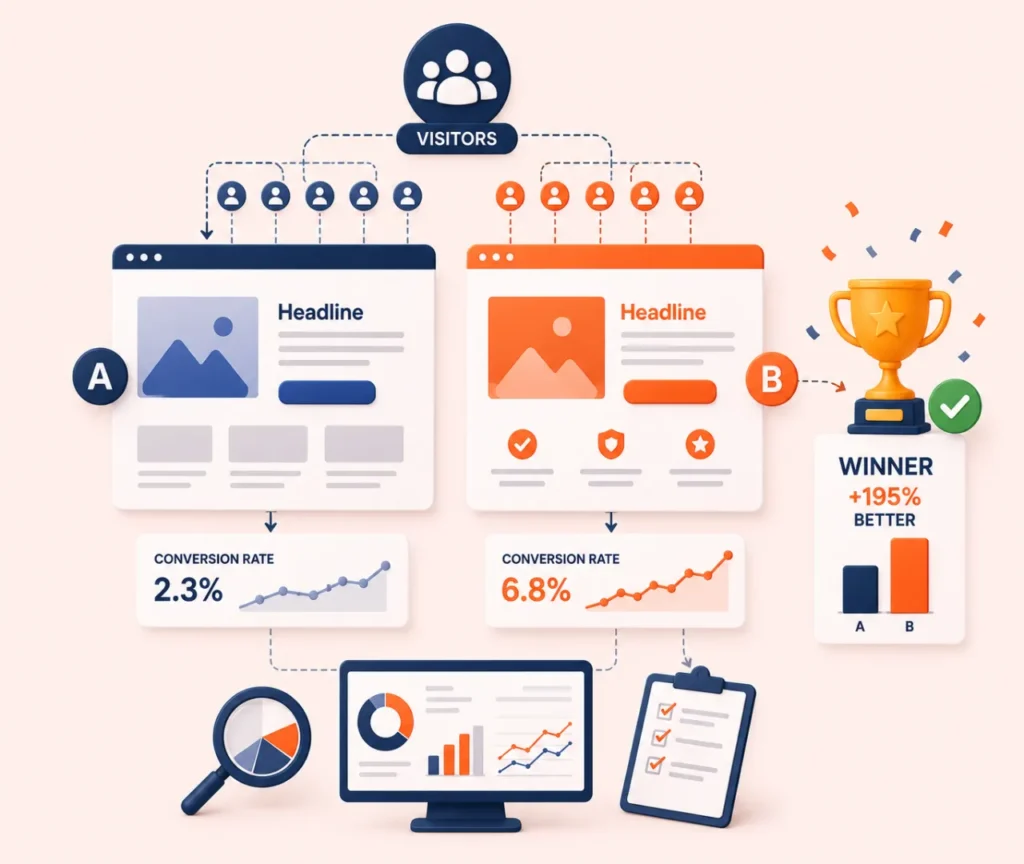





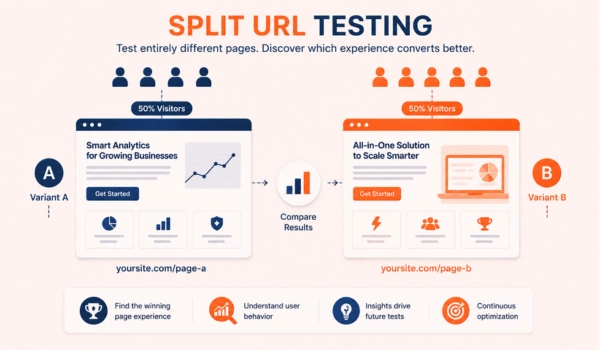

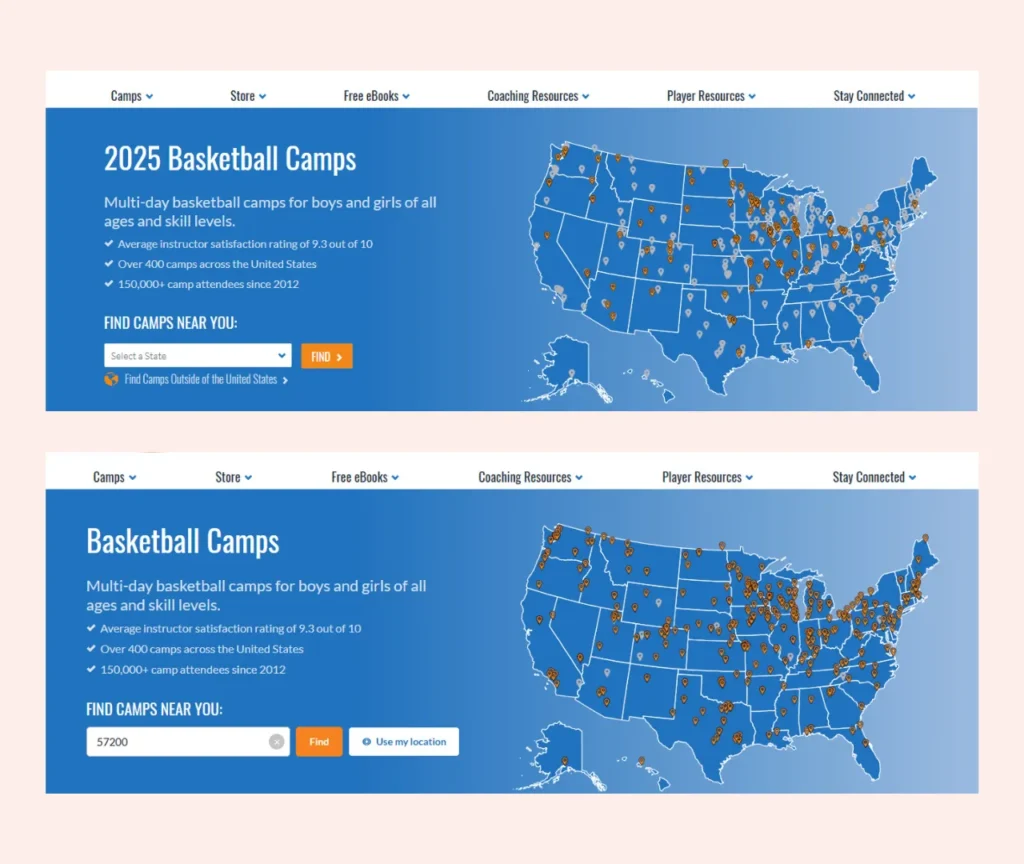
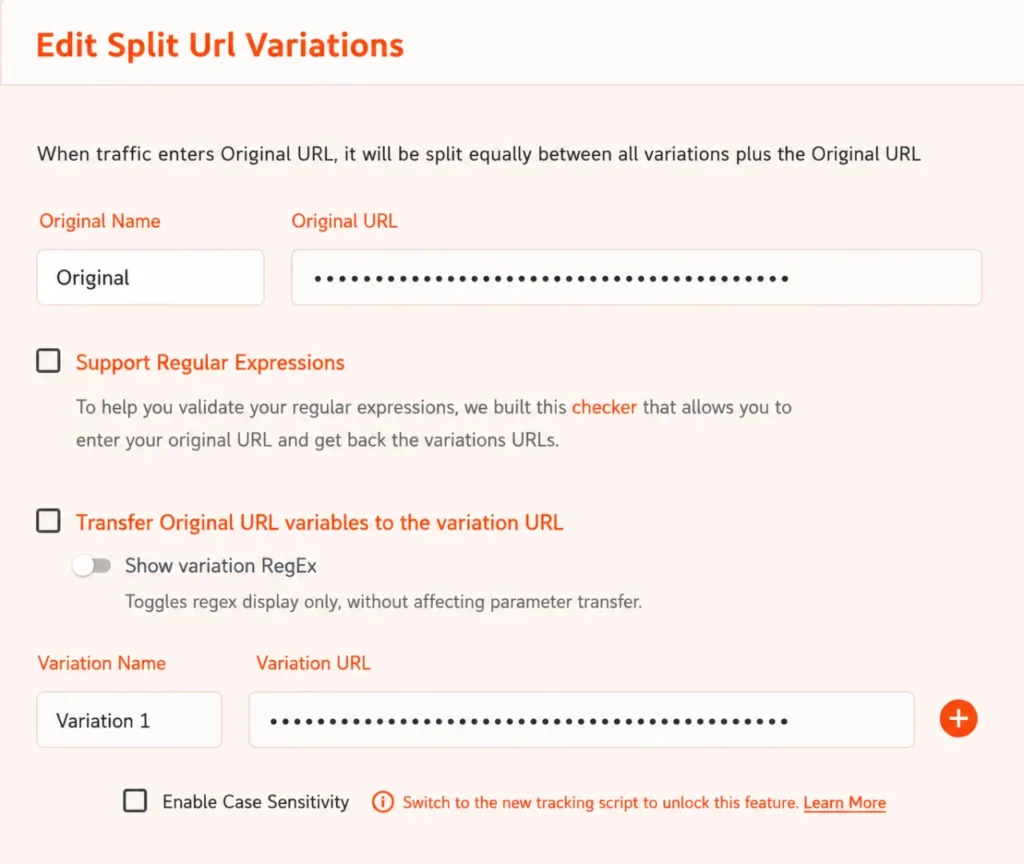
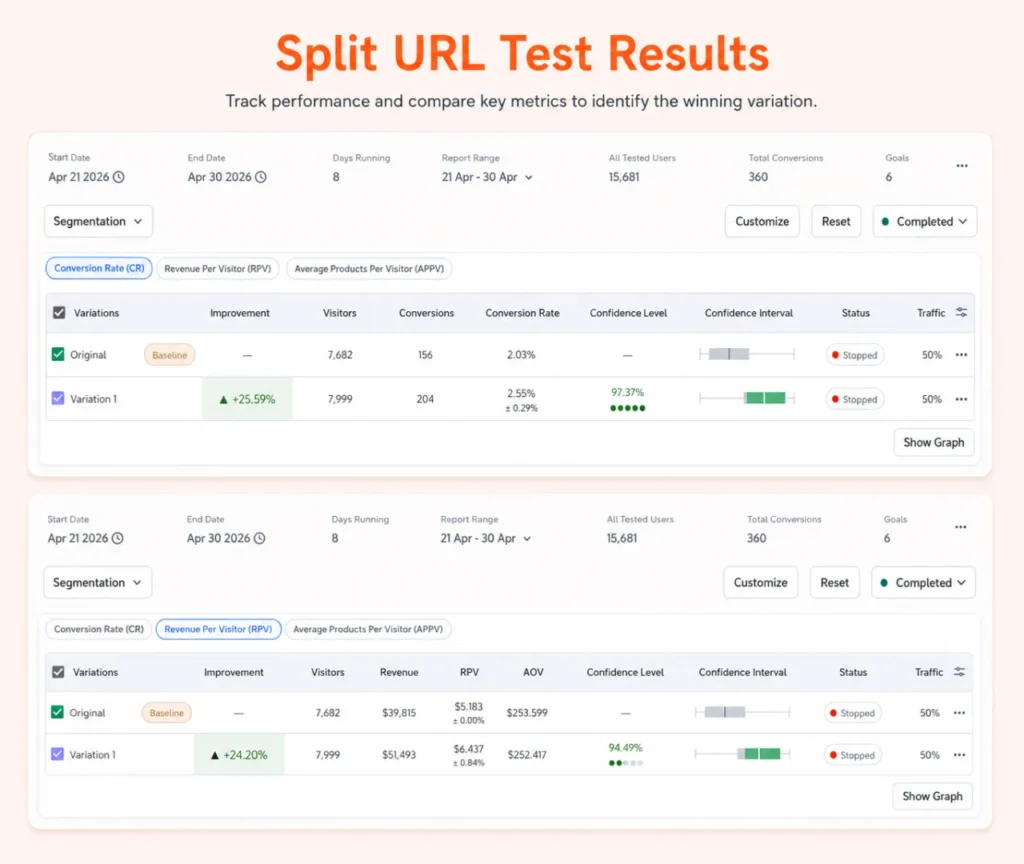
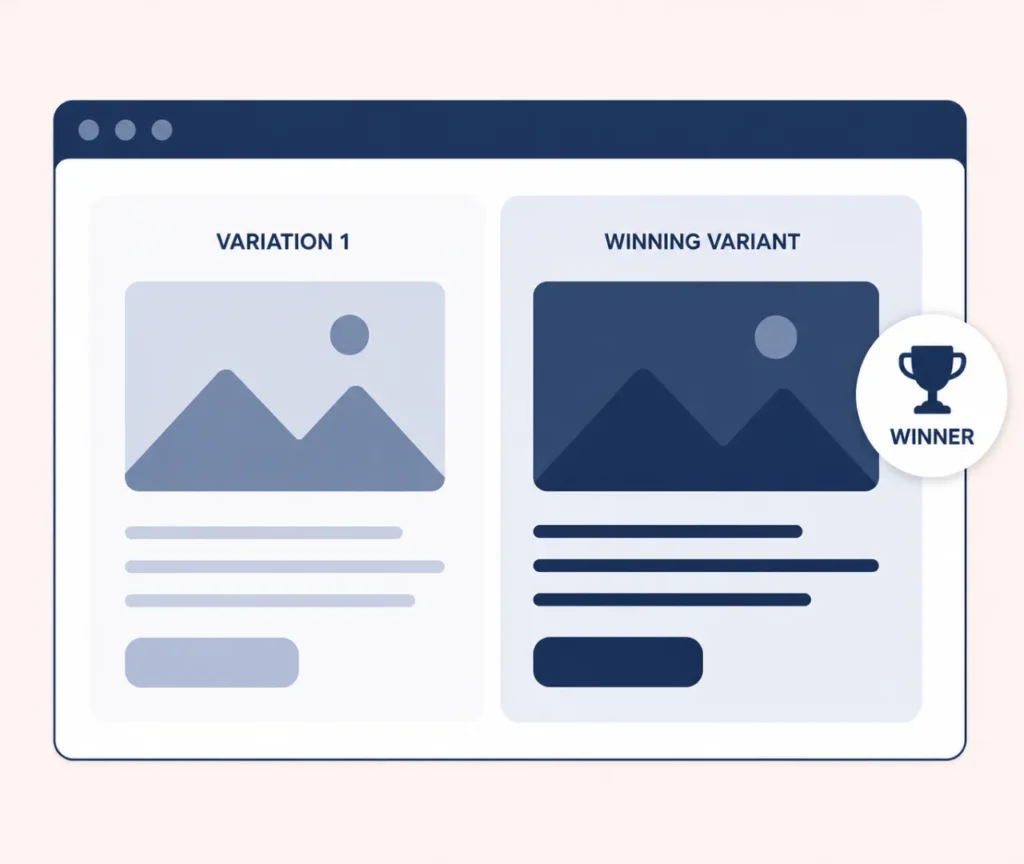


Split URL testing is a method where you create two or more completely different versions of a web page, each hosted at its own URL, and show each version to different groups of real visitors at the same time. By measuring how each version performs on your key goals, such as purchases, form submissions, or sign-ups, you can identify with statistical confidence which complete page experience works best for your audience and implement it permanently.
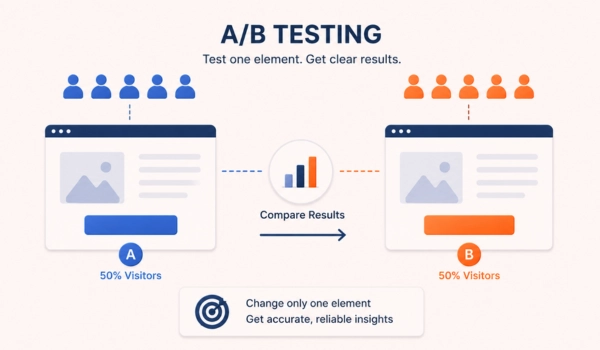
Standard A/B testing changes a single element on a page, such as a headline or a button, and measures the impact of that one change. Split URL testing compares entirely different page versions where many things are different simultaneously. You use split URL testing when the change you want to test is too large or too structural to isolate to a single element.
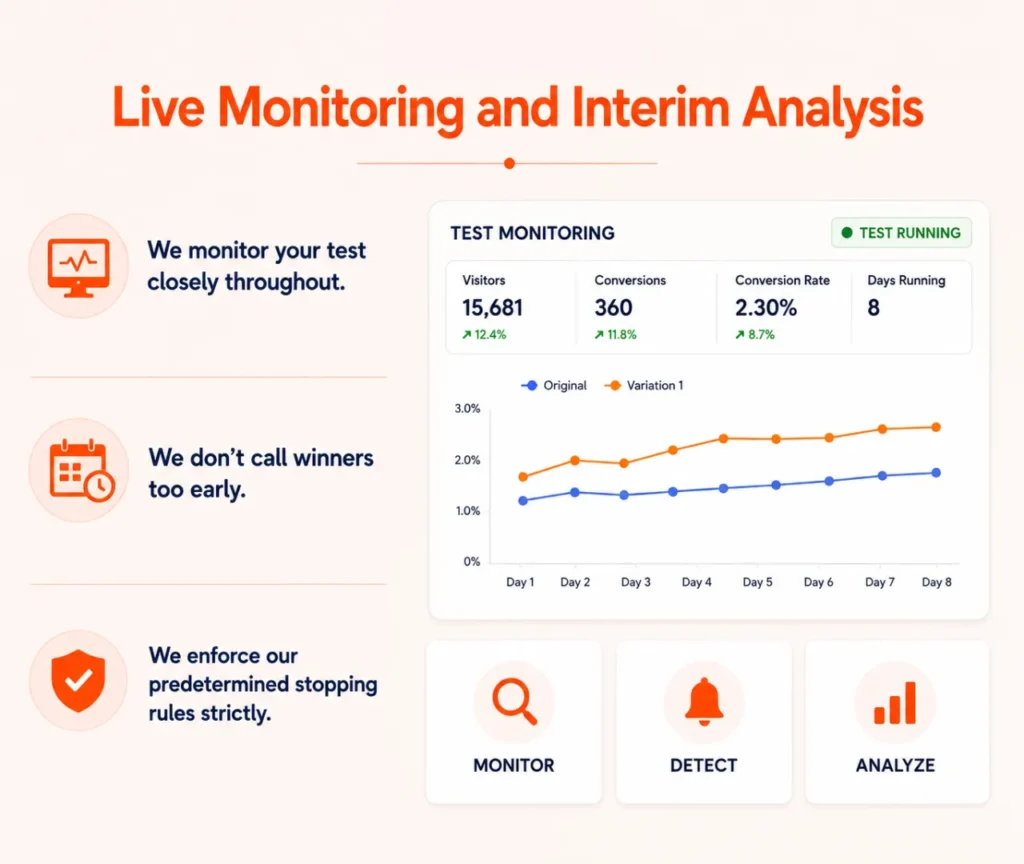
Most split URL tests need to run for a minimum of two to four weeks, depending on your traffic volume and the size of the conversion difference you are trying to detect. Lower traffic sites may need longer run times. The key is reaching a statistically significant sample size, which is determined before the test begins based on your baseline conversion rate and your desired minimum detectable effect.
As a practical guideline, you need enough traffic to generate at least 100 conversions per variant over the course of the test. Sites with fewer than 5,000 monthly visitors may find split URL testing slower because reaching significance takes longer. However, even lower-traffic sites can run meaningful tests with realistic expectations about test duration. We assess your traffic situation during our initial consultation and recommend the approach best suited to your volume.
No, when implemented correctly. Search engines including Google allow split URL testing and have published guidelines for running tests without SEO impact. The key requirements are using temporary redirects rather than permanent ones during the test period, not hiding test variants from Google’s crawlers using cloaking techniques, and implementing the winning variant fully once the test concludes. Our technical setup process follows all of these guidelines precisely.
Any high-traffic, high-intent page where improving conversion rate produces meaningful business impact. The strongest candidates are paid advertising landing pages, pricing pages, primary product or service pages, lead generation pages, and homepage variants for sites where the homepage is a significant part of the conversion path. Pages with lower traffic can still be tested but require longer test durations.
The winning variant becomes your new control page and is implemented permanently. We deliver a full results report explaining what won, by how much, with what confidence level, and what we believe drove the result. We then recommend the next round of testing based on what we learned, ensuring your optimization program continues to build on each experiment rather than treating each test as an isolated event.
We create everything. Our team handles the research to identify what should be tested, the strategic thinking to determine what a meaningful challenger looks like, the copywriting and design of the challenger variant, the technical setup and quality assurance of the test, the monitoring during the live test period, and the full analysis and strategic recommendations after the test concludes. You review and approve the challenger before it goes live, but the creative and strategic work is fully managed by our team.